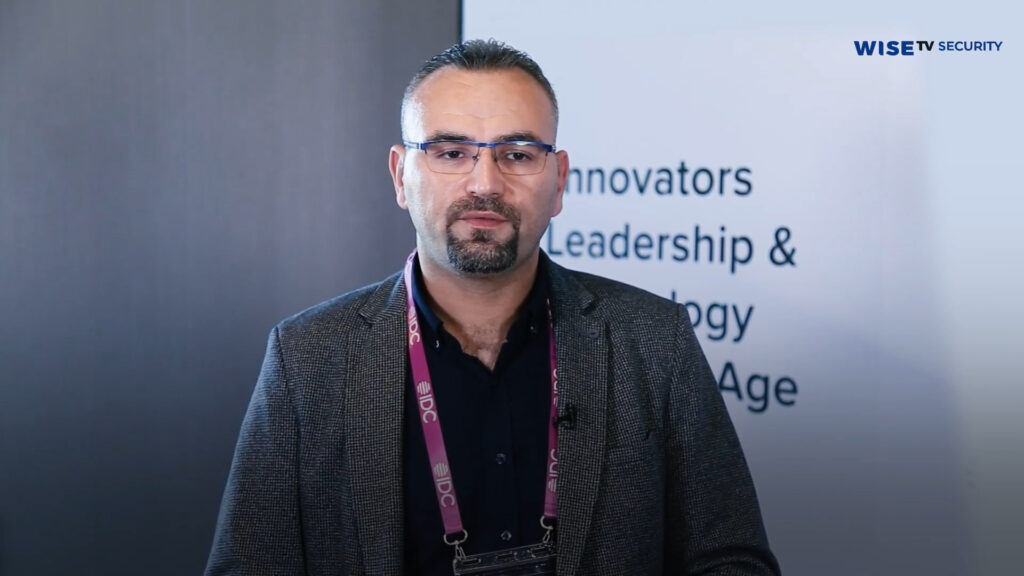
Speaking to Wise TV, Seyhanlar CIO Fatih Okçu discussed the cyber threats facing the retail sector and the measures taken to address them.
In the retail sector, beyond the general industry-wide attacks we face, we encounter a significant number of attacks targeting our endpoint devices. These include threats to our POS terminals, in-store access points, and cash registers; additionally, we face common threats such as ransomware, DDoS attacks, botnet attacks, and phishing. These are the types of attacks we typically encounter. We have defenses in place against them, including physical security measures, firewalls, continuous security patching for endpoint devices, network security protocols, and employee awareness training. Despite maintaining a high level of security, we can still experience security issues when employees click on incoming emails; therefore, we provide our staff with ongoing awareness training.
Cybersecurity Threats in the Retail Sector
In an era of rapid digitalization, the retail sector has become a target for cyberattacks. Businesses in this sector must implement various security measures to protect customer data and financial information. However, attackers are constantly developing increasingly sophisticated methods to circumvent these measures. This article examines the cybersecurity threats facing the retail sector and the measures that can be taken to counter them.
Attacks Targeting Endpoint Devices
Endpoint devices used in the retail sector are attractive targets for attackers. Point-of-Sale (POS) terminals, cash registers, and access points located in branches represent vulnerabilities that attackers can exploit to steal data or damage systems. These devices often become susceptible to attacks due to neglected software updates or weak encryption methods.
Ransomware Attacks
Ransomware is another common threat in the retail sector. Attackers infiltrate systems, encrypt data, and demand a ransom in exchange for restoring access to that data. Such attacks can bring business operations to a standstill and result in significant financial losses.
DDoS and Botnet Attacks
Distributed Denial-of-Service (DDoS) attacks target the websites or networks of retail businesses, causing service disruptions. Botnets, meanwhile, involve taking control of multiple devices to launch large-scale attacks. These types of attacks can negatively impact customer satisfaction and damage brand reputation. Phishing Attacks
Phishing attacks are a method used to obtain sensitive information belonging to employees or customers. Attackers attempt to steal passwords or credit card details by deceiving users through fraudulent emails or websites. Such attacks are typically carried out using social engineering techniques.
Security Measures and Awareness Training
Various measures must be implemented to ensure cybersecurity in the retail sector. These measures include the use of firewalls, the regular updating of endpoint devices, and the maintenance of network security. Additionally, regular training sessions should be conducted to raise employee awareness. It is crucial for employees to question the legitimacy of incoming emails and avoid suspicious links.
Conclusion
Cybersecurity threats pose a serious challenge for businesses in the retail sector. Threats such as attacks on endpoint devices, ransomware, DDoS attacks, and phishing can jeopardize business operations and corporate reputation. Therefore, continuously updating security measures and enhancing employee awareness are of great importance. By developing and implementing robust cybersecurity strategies, businesses can become more resilient against these threats.
About the Wise

Similar Videos from this Wise

What role does artificial intelligence play in defense against cyberattacks?
Seyhanlar CIO Fatih Okçu discusses AI-powered cyber defense methods—specifically “Counter and Deception” approach...
What defense strategy should be implemented against AI-powered attacks in 2025?
In a statement to Wise TV, Seyhanlar CIO Fatih Okçu highlights the expected rise in AI-driven attacks and […]