Murat Çelebi, Director of Information Security and Risk at the Central Registry Institution, spoke about the most critical success factors in transitioning to a zero-trust architecture. Çelebi stated the following:
The concept of “Zero Trust” is a well-known and widely discussed one. Essentially, establishing the right structure for “Zero Trust” involves several critical success factors: First, you need to know what you possess. You must have a thorough understanding of your assets, their criticality, the criticality of your data, and the internal and external flows of that data. Knowing your assets allows you to take necessary precautions. The most critical aspect here is identity and access management. This can be achieved by continuously verifying all users, applications, and servers, not just once, but every action they perform from the moment they log in. Furthermore, we can implement the principle of least privilege, granting users permissions only for tasks they can perform, or granting applications and systems permissions only for tasks and for limited periods. Beyond this, we need to continuously monitor all permissions granted to users, applications, servers, and systems, identifying anomalies and taking appropriate action to strengthen the structure. “Zero Trust,” while seemingly a security approach, is more than just a technological one. It’s actually about transforming business processes. One of the critical success factors of Zero Trust is incorporating the human element into the process. No matter how well-designed your authorization structure is, I believe the human factor is crucial. And I think it’s important for this to become part of the organizational culture.
What is Zero Trust?
Zero Trust is an approach used to ensure security in today’s digital world. Unlike traditional security models, Zero Trust recommends not automatically trusting any user or device and continuously verifying every access request. This approach has gained even more importance with the increase in cyber threats and the widespread occurrence of data breaches. Zero Trust requires not only a technological solution but also a transformation of business processes and organizational culture.
The Core Principles of Zero Trust
The core principles of the Zero Trust approach include identity and access management, the principle of least privilege, and continuous monitoring. Identity and access management ensures that users and devices are verified in every transaction. The principle of least privilege stipulates that users and systems only receive the privileges necessary to perform their tasks. Continuous monitoring ensures that all accesses and transactions are monitored to detect anomalies.
Identity and Access Management
One of the most critical components of Zero Trust is identity and access management. This involves verifying users, applications, and devices not just once, but every time. This prevents unauthorized access and increases the level of security.
The Principle of Least Privilege
The principle of least privilege ensures that users and systems only receive the privileges they need. This minimizes potential harm and reduces security vulnerabilities. Permissions are granted for a specific period and are re-evaluated at the end of that period.
Continuous Monitoring and Anomaly Detection
In the “Zero Trust” approach, all accesses and transactions are continuously monitored. This allows for the rapid detection of anomalous behavior and the implementation of necessary measures. Continuous monitoring plays a critical role in preventing security breaches.
The Importance of the Human Factor
“Zero Trust” is not just a technological approach, but also includes the human factor. People are a vital part of security processes and should therefore be supported with training and awareness programs. Organizational culture is critical to the success of the “Zero Trust” approach.
Integrating Zero Trust into the Organizational Culture
For the successful implementation of the “Zero Trust” approach, it must be integrated into the organizational culture. Employees adopting and applying this approach in their daily work processes increases the level of security and creates a more resilient structure against cyber threats.
“Zero Trust” is a comprehensive approach that addresses modern security needs. With components such as identity and access management, the principle of least privilege, and continuous monitoring, it minimizes vulnerabilities and prevents data breaches. However, the human factor and organizational culture must also be considered for the success of this approach. “Zero Trust” is not just a security strategy, but also a business transformation.
About the Wise

Similar Videos from this Wise

Is Cyber Resilience Just an IT Issue or a Corporate Culture?
Murat Çelebi, Director of Information Security and Risk at the Central Registry Institution, discussed whether cyber resilien...

What Are the Key Components of Cyber Resilience?
Murat Çelebi, Director of Information Security and Risk at the Central Securities Depository, spoke about the key components...
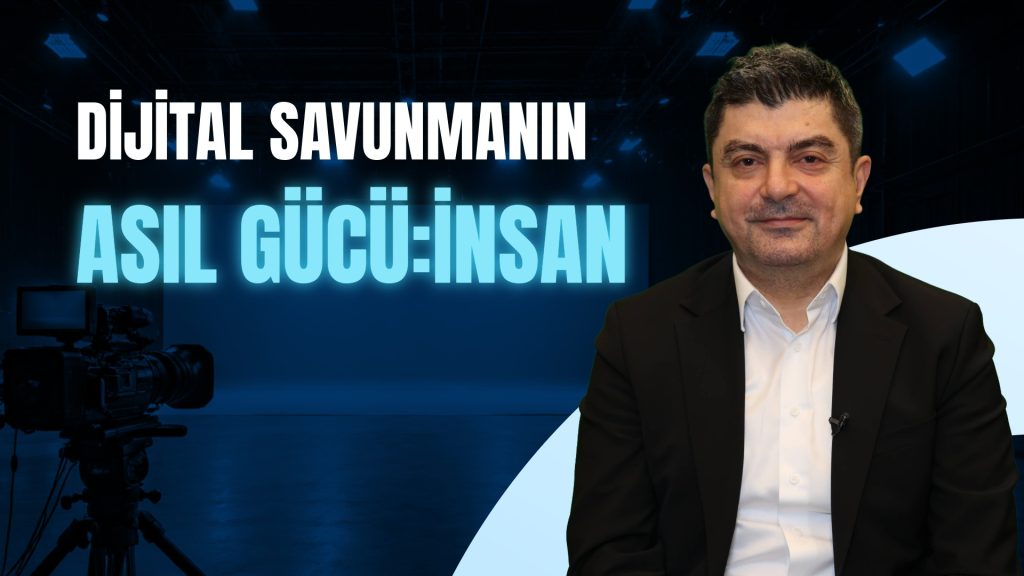
Can a Person Become the Strongest Line of Defense Through a Proper Culture of Awareness?
Murat Çelebi, Director of Information Security and Risk at the Central Securities Depository (MKK), spoke about how—given the...