Changes in security measures driven by artificial intelligence
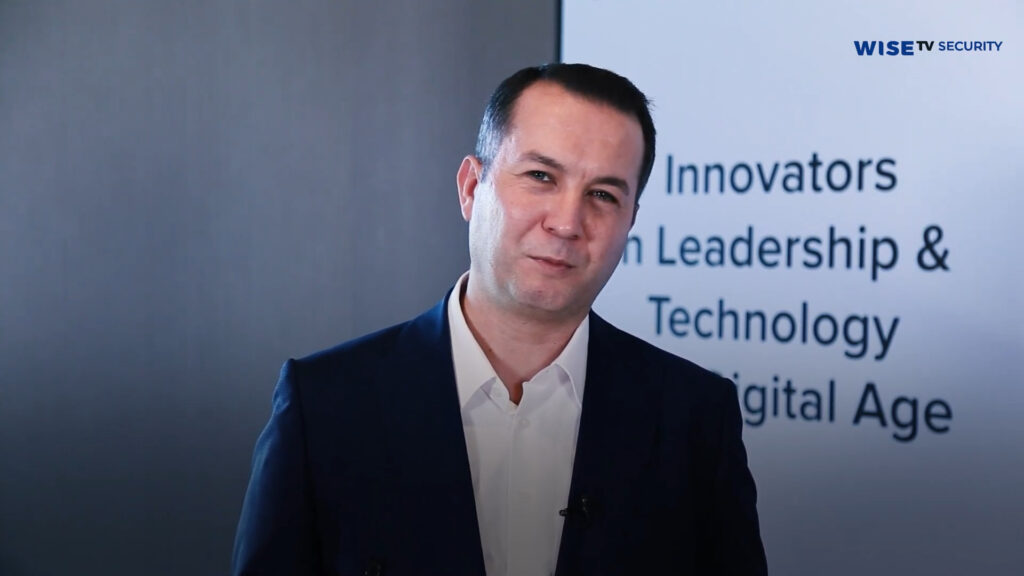
Speaking to Wise TV, Dr. Emre Sert, Digital Transformation Director at Sabancı University, emphasized that security is more critical than ever in the digital age. Noting that traditional security methods might prove inadequate against today’s dynamic data structures, he discussed the impact of artificial intelligence on security.
Security has, in fact, been a vital element of our lives from the very beginning. However, we had long relied on conventional security measures—such as firewalls and precautions against phishing—which were primarily designed to defend against external attacks. These approaches were based on the assumption that data was largely static and unchanging. With the advent of artificial intelligence, a shift in the security landscape is inevitable. Given that data is variable in terms of characteristics, structure, and content—and considering how rapidly AI transforms this data—it is essential to adopt new practices, implement new safeguards, and develop new technologies for security. To cite an example, Operational Technology (OT) security has recently become a key issue, particularly for manufacturing companies. As AI’s influence grows, the potential risks to OT security—and the associated costs, such as production stoppages and corporate losses—have brought this area to the forefront. Consider this scenario: you can establish a security layer to address standard vulnerabilities or reinforce weak points within the production environment. The resulting security framework can protect you against specific types of attacks. However, since artificial intelligence is a self-learning entity that evolves its processes and adapts its behavior accordingly, the vulnerabilities you identify will not remain static. Consequently, the firewall you implement must also incorporate self-learning and proactive systems to address the dynamic and novel vulnerabilities that may arise from these fluctuations. At present, we can say that artificial intelligence does not pose significant risks to application security, primarily because multiple layers of security are employed. For instance, there is an initial security layer established for external users; should a breach or issue occur there, the scope of internal access—as well as the specific data being utilized, exposed, or shared—becomes clearly defined. If appropriate procedures are established, the resulting protective measures will minimize any risks posed by artificial intelligence.
The Evolution of Security and Artificial Intelligence
Security has been a crucial element throughout human history. However, the concept of security has evolved alongside technological advancements. Traditional security methods were generally limited to measures against external threats. Yet, the integration of artificial intelligence into our lives is driving fundamental changes in the approach to security. These changes necessitate the development of new security practices and technologies, particularly when considering the dynamic nature of data and the rapid transformative capabilities of AI.
Artificial Intelligence and the Shift in Security
Artificial intelligence is bringing about revolutionary changes in the security landscape. While traditional security methods were typically based on static data, the advent of AI requires the development of more flexible and adaptive security solutions that account for the dynamic nature of data. This is of particular importance for manufacturing companies.
The Importance of OT Security
For manufacturing companies, OT (Operational Technology) security has become increasingly critical due to the impact of artificial intelligence. In OT security, measures must be taken not only against standard vulnerabilities but also against the dynamic threats introduced by AI. This is vital for preventing disruptions to production processes and minimizing costs.
Dynamic Security Solutions
As a technology capable of self-learning and process improvement, artificial intelligence causes security vulnerabilities to constantly shift and evolve. Consequently, security firewalls and systems must also adopt a dynamic structure, evolving into systems that continuously learn and implement preventive measures. Artificial Intelligence in Application Security
Application security can be considered a field where artificial intelligence has not yet fully made its impact felt. However, the risks posed by artificial intelligence can be minimized by employing various security layers within application security. This is achievable by reinforcing security layers designed for external users with internal access and data usage procedures.
Minimizing Security Risks Associated with Artificial Intelligence
Minimizing the risks introduced by artificial intelligence requires the continuous updating of security procedures and measures. This can be accomplished by establishing clear protocols regarding the conditions under which data is used, shared, and protected. Consequently, more effective security can be ensured against the dynamic threats posed by artificial intelligence.
Conclusion
Security is a field that constantly evolves alongside technological advancements. By accelerating this evolution, artificial intelligence is bringing about fundamental changes in the approach to security. In addition to traditional security methods, measures must be taken to address the dynamic threats introduced by artificial intelligence. This is of particular importance for manufacturing companies. Developing security firewalls and systems with dynamic structures—systems capable of continuous learning and proactive defense—is critical to minimizing the risks associated with artificial intelligence.
About the Wise

Similar Videos from this Wise
How Can Artificial Intelligence Benefit Companies, and What Are the Risks?
Emre Sert from Sabancı University made the following observations regarding the benefits artificial intelligence offers compa...