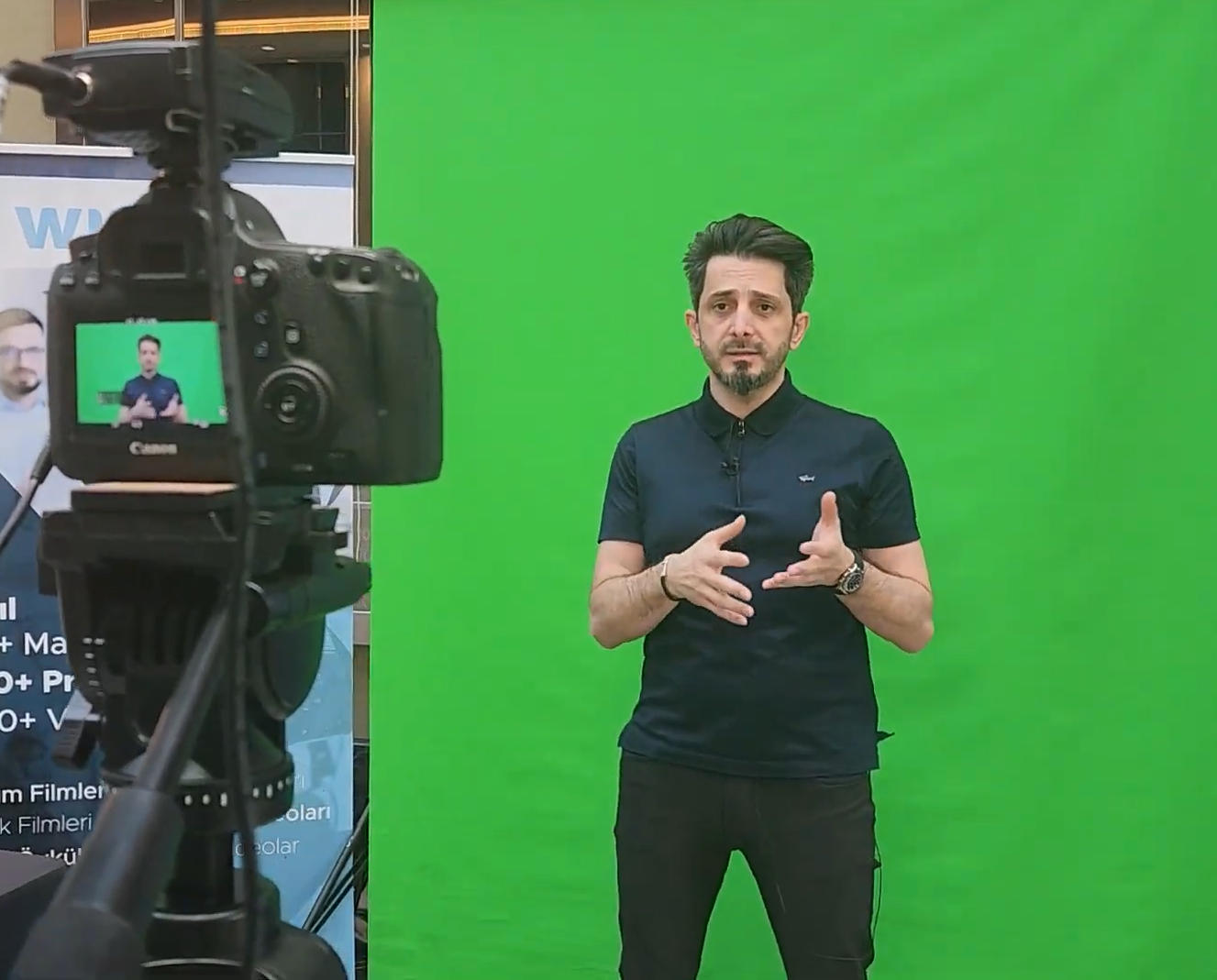
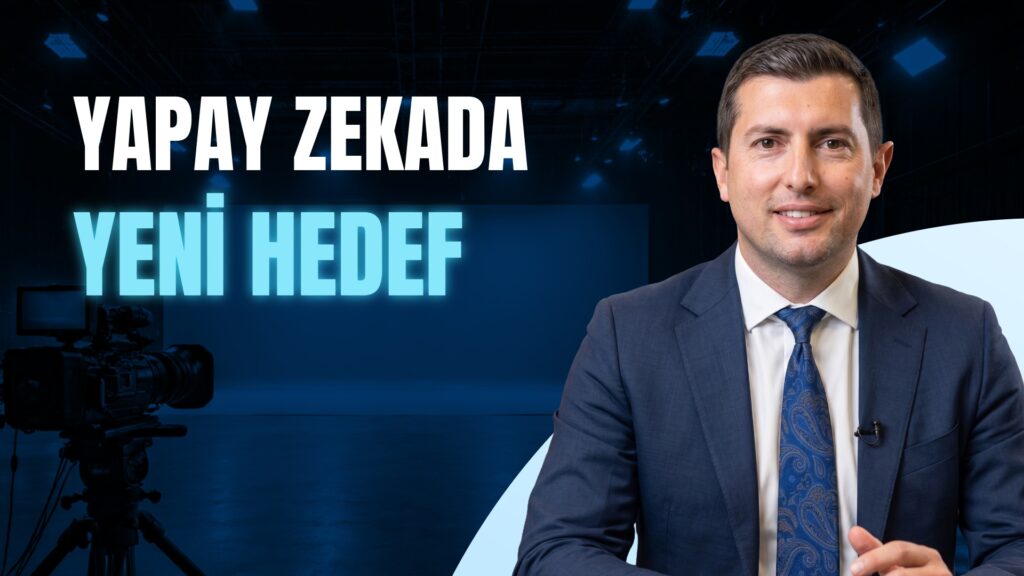
Emre Deniz, Director of Information Technology at Çalık Holding, spoke about how to shape the IT strategy of the future in the age of artificial intelligence. Deniz said the following:
Our organization has a primary focus on “ERP.” We have companies in various sectors within the “real” economy. Some of their systems are a bit “old school,” so we’re working to migrate them to newer, more up-to-date “cloud” solutions. There are licensing, process, and project-related efforts involved with these companies. They’re large-scale initiatives. Aside from ERP, when we look at “AI,” we’re actually working on strategy to some extent. In other words, here’s what we’ve observed. We talk a lot about “AI,” but within “IT,” we’re currently only able to utilize “AI” for a maximum of 10–20% of our functions. This is expected to rise to 50% in the near future—and even reach 100% within the next 3–5 years. So, how can we define an “IT” strategy? Of course, this involves incorporating human resources and competencies—and from a expertise perspective, we do have some “old-school” IT resources, so to speak. Our colleagues who are deeply attached to the “old ways” will likely retire to some extent in the foreseeable future. A future awaits us with resources that are a bit more dynamic, a bit more research-oriented, and a bit more familiar with new-generation applications. I can say the same for managers, including myself. We are in the midst of such a transformation. Our second major agenda item is “IT” strategy. The biggest driver of this for the coming period is “AI.”
About the Wise

Similar Videos from this Wise
How Can Artificial Intelligence Competencies Be Integrated Across the Entire IT Department?
Emre Deniz, IT Manager at Çalık Holding, discussed how AI capabilities could be integrated across the entire IT […]