How Can Artificial Intelligence Benefit Companies, and What Are the Risks?
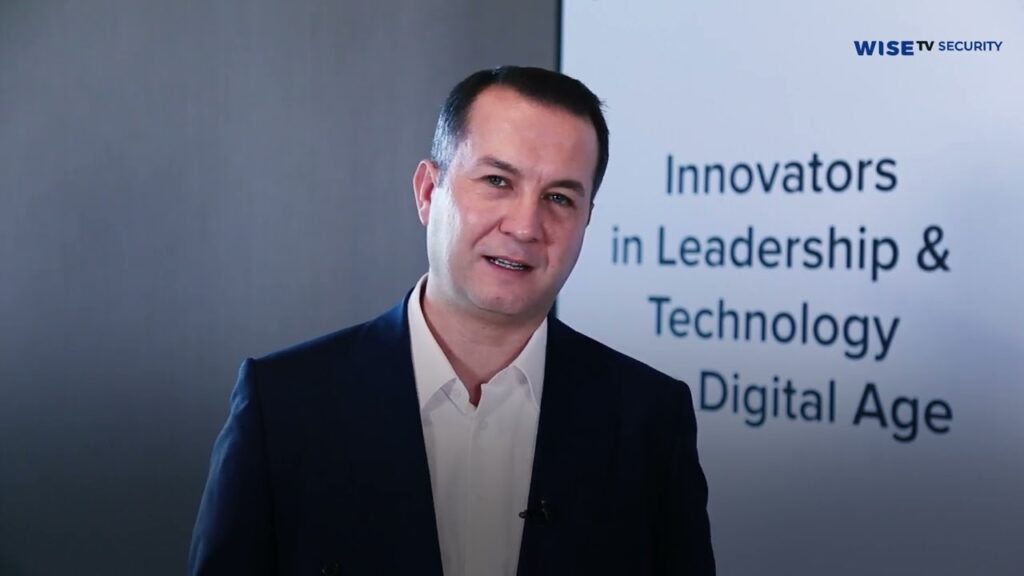
Emre Sert from Sabancı University made the following observations regarding the benefits artificial intelligence offers companies and the risks it entails:
As you know, artificial intelligence is a concept that has actually been part of our lives for several years. However, it has recently moved to the forefront of the agenda due to the impact and transformation it drives. Artificial intelligence presents both significant benefits that can be leveraged and inherent risks. Companies aiming to gain a competitive edge or undergo transformation can utilize the beneficial aspects of AI to revamp processes and areas they identify as problematic. Regarding the risks, these must be managed effectively; otherwise, failure to do so could lead to financial losses and negatively impact cultural transformation—particularly due to the potential threat of AI replacing tasks currently performed by employees.
The Rise of Artificial Intelligence
In recent years, artificial intelligence has taken center stage in technological advancements, making its impact felt across many areas of our lives. Companies, in particular, are seeking to leverage the opportunities offered by artificial intelligence to gain a competitive edge and streamline their processes. However, the risks associated with this technology must be addressed as carefully as the innovations it brings. This article examines the opportunities presented by artificial intelligence and the potential risks involved.
The Benefits of Artificial Intelligence
Artificial intelligence has the potential to benefit businesses in numerous areas. AI applications—particularly in data analysis, customer service, and manufacturing processes—can boost efficiency and reduce costs. Furthermore, artificial intelligence enables faster and more accurate decision-making, thereby enhancing a business’s competitiveness.
Transformation in Business Processes
Companies can achieve significant transformations by integrating artificial intelligence into their business processes. Automating routine and repetitive tasks, in particular, allows employees to focus on more strategic and creative work. This enhances a business’s capacity for innovation and fosters faster growth.
The Risks of Artificial Intelligence
One of the major risks posed by artificial intelligence technology is its potential negative impact on the workforce. The disappearance of certain jobs due to increased automation can lead to concerns among employees regarding job security. Additionally, the possibility of artificial intelligence making incorrect or biased decisions can create serious problems for businesses. Cultural Transformation and Adaptation
The widespread adoption of artificial intelligence in the workplace brings about a cultural transformation. Training and adaptation processes become crucial for employees to adjust to new technologies and utilize them effectively. Managing these processes well helps businesses derive maximum benefit from artificial intelligence.
Artificial Intelligence and Ethical Issues
The use of artificial intelligence also raises ethical concerns. Issues such as data privacy, algorithmic transparency, and biases in AI decision-making processes require careful attention. It is important for businesses to act responsibly in these areas, both from legal and societal perspectives.
The Future of Artificial Intelligence
Artificial intelligence technology is expected to become even more widespread in the future. Therefore, businesses need to employ this technology strategically to both capitalize on opportunities and manage risks. When used correctly, artificial intelligence can offer significant advantages to businesses; however, taking careful and informed steps during this process is essential.
Artificial intelligence is a technology that requires careful handling due to the opportunities it offers and the risks it entails. By using this technology strategically, businesses can gain a competitive advantage and enhance operational efficiency. However, it is also necessary to effectively manage the risks associated with AI, minimize negative impacts on the workforce, and address ethical concerns. In this way, the potential offered by artificial intelligence can be fully realized.
About the Wise

Similar Videos from this Wise
Changes in security measures driven by artificial intelligence
Speaking to Wise TV, Dr. Emre Sert, Digital Transformation Director at Sabancı University, emphasized that security is more [...