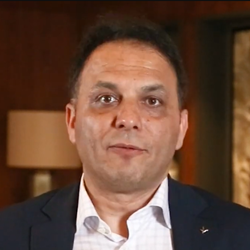
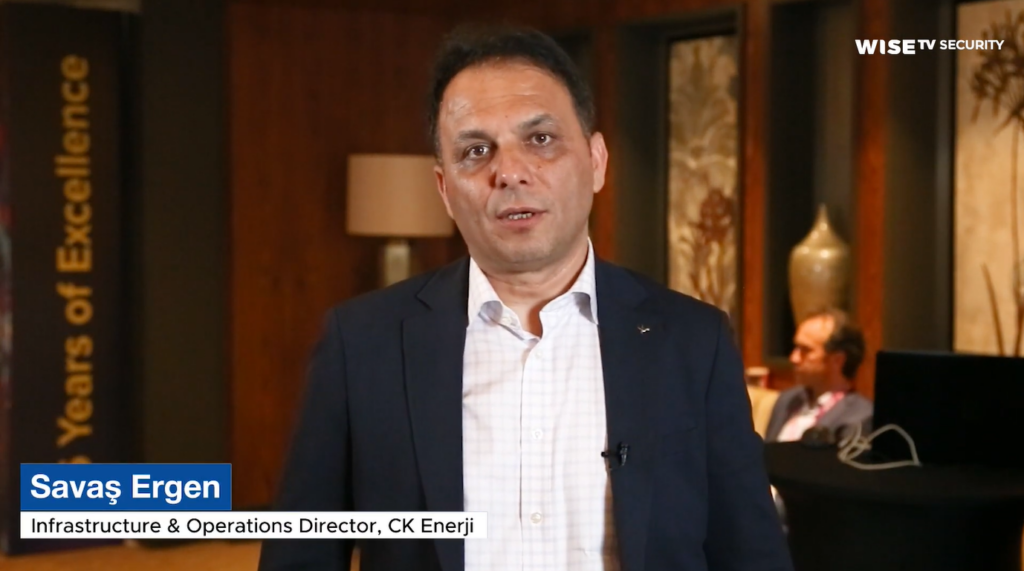
Savaş Ergen, Director of Infrastructure and Operations at CK Enerji, stated the following:
Managing people is more difficult than managing systems. Nowadays, it has become truly challenging to attract talent and retain it—especially given the advancement of technology, the differing mindsets of the new generation, and the distinct culture that emerged following the pandemic. In the past, employees focused on factors like: Is my salary good? Are the office conditions favorable? Is there a career plan? Are there opportunities for self-development within the company? They looked for specific points of attraction.
Alongside these, they have now started considering questions like: Where will I work? How will I work? How can I work most effectively and comfortably without dealing with traffic? Consequently, we have tried to make the company more appealing to our employees by adopting a hybrid working model, and we have achieved success in this regard.
Secondly, we need to prioritize the continuous development and communication of our employees. You must ensure they develop in areas that add value to them and impact their careers. Regarding communication, it is a two-way street: not only must your communication with them be healthy, but we also need to ensure smooth communication between them and their managers, colleagues, and the business units they serve.
Unfortunately, remote work has somewhat damaged that network of relationships. Furthermore, it has negatively affected employees’ sense of belonging to the company. As a company, we are establishing talent pools with our employees to overcome this, ensure retention, boost loyalty, and foster sustainability. Each year, we are able to provide specific benefits and career-related training opportunities to the employees within these talent pools. From time to time, both BIU managers and we—as senior leaders—strive to support their development through coaching and leadership. Richard Branson has a great quote regarding this: “Train people well enough so they can leave, treat them well enough so they don’t want to.” It is essential to strike this balance.
We shouldn’t be afraid—specifically, we shouldn’t succumb to the fear that an employee might develop their skills and then leave for another opportunity. As long as you provide good conditions, an employee generally won’t seriously consider leaving unless there is a specific, compelling reason to do so.
When explaining this to my team, I usually break it down into three pillars. The first is compensation and benefits—essentially the total package. The second relates to the company’s vision and scale, and how happy the employee feels working there. The third—and arguably the most important—is the direct manager’s vision and perspective, the value they add, and the potential they see for the employee’s growth.
If only one of these factors is negative, an employee typically doesn’t seriously consider leaving. For instance, if their salary is slightly below the industry average, it doesn’t necessarily bother them too much. However, if two of these factors start to decline, the employee begins looking for opportunities elsewhere. If the company’s vision lacks clarity, or if they face issues with their manager—such as a lack of proper guidance—they start looking to move on as soon as these aspects become negative from their perspective.
And, as you know, there is a significant talent shortage in the IT sector today; it is very easy for them to switch to another company. Once you ensure these elements, you can clearly achieve sustainability, employee retention, and an increased sense of belonging to the company.
About the Wise
Similar Videos from this Wise
What kind of methodology does the EMRA maturity model present?
Savaş Ergen, Director of Infrastructure & Operations at CK Enerji, commented on the maturity model introduced by EMRA [&h...