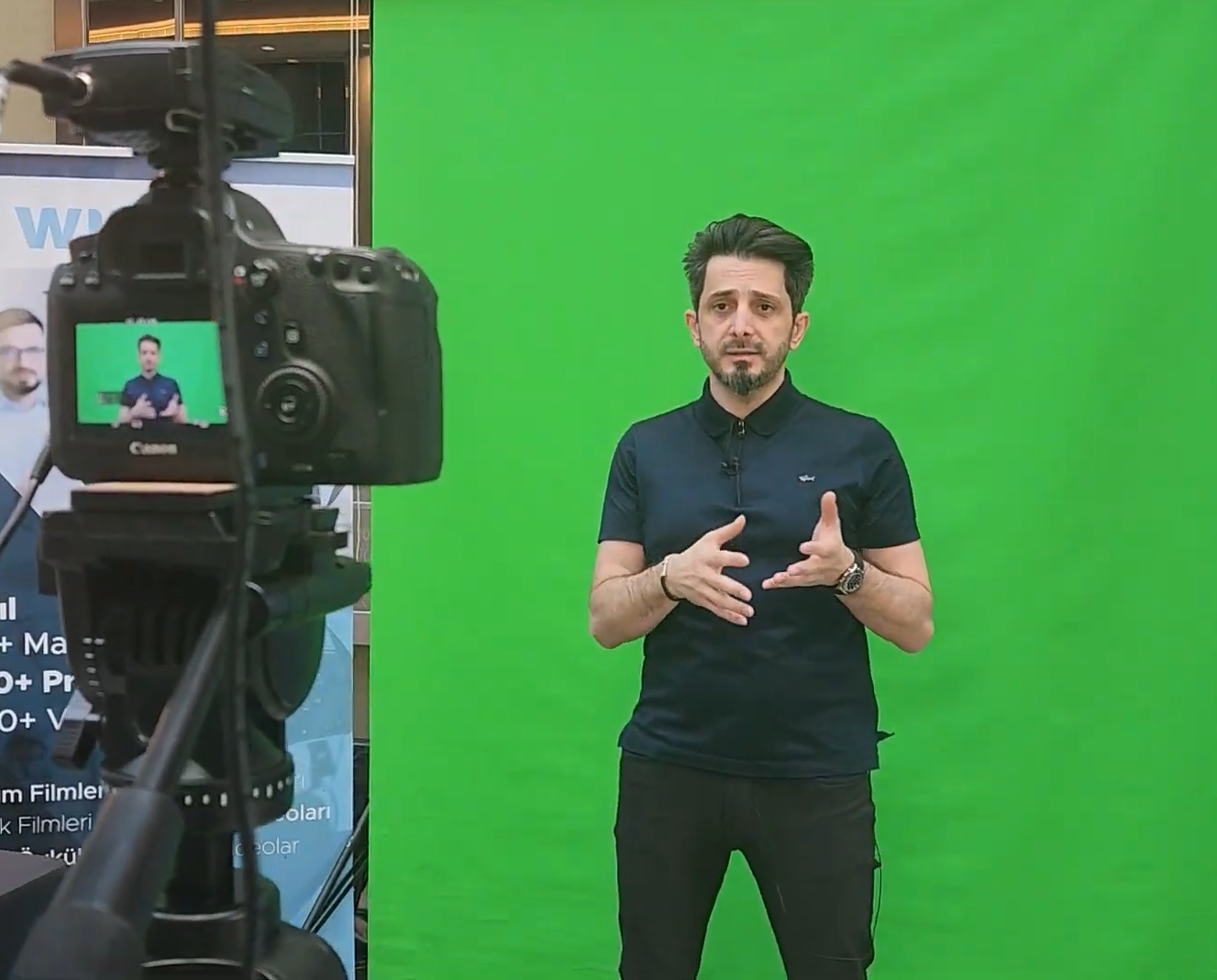
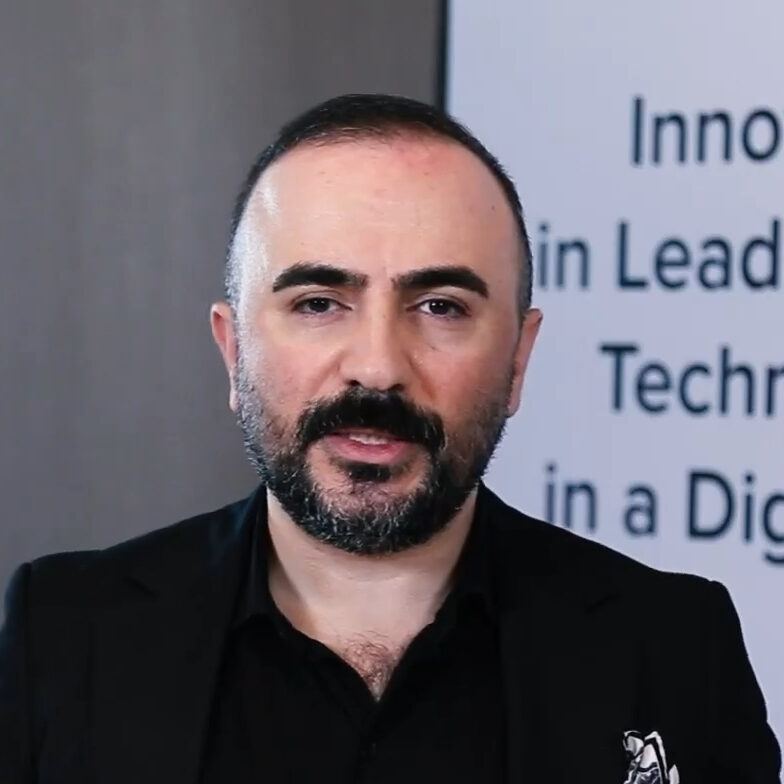
In an interview with Wise TV, Emre Beştepe, CIO of Çokyaşar Holding, explains why the use of artificial intelligence in threat intelligence has become indispensable. According to Beştepe, relying on traditional methods for threat intelligence is no longer sufficient, as the number and variety of potential security threat vectors have far surpassed the capacity of human resources.
There are several key reasons why we specifically utilize artificial intelligence for threat intelligence. One of them is that the scale of the task vastly exceeds what can be managed by human manpower alone. To effectively protect existing services or implement preventive measures, one must gather intelligence across a multitude of domains, fields, and services. The technological power of artificial intelligence enables rapid scanning across these various domains and services, facilitates human-like analysis, and allows for automated, autonomous action-taking.
The Use of Artificial Intelligence in Threat Intelligence
Today, threat intelligence plays a critical role in the field of cybersecurity. Increasing digitalization and the widespread use of the internet have led to a commensurate rise in cyber threats. In this context, artificial intelligence technologies offer revolutionary solutions for threat intelligence. The rapid analysis and automated action capabilities provided by AI alleviate the workload of cybersecurity professionals and ensure more effective protection.
The Power and Impact of Artificial Intelligence
Artificial intelligence offers a capacity in threat intelligence that far exceeds human capabilities. Its ability to rapidly analyze vast datasets makes AI indispensable in the cybersecurity field. This technology possesses the capacity to detect potential threats in advance by conducting rapid searches across various domains and services.
Automated and Autonomous Action
Artificial intelligence does not merely detect threats; it can also take automated and autonomous actions against them. This allows cybersecurity teams to focus on more strategic tasks while AI handles routine and repetitive duties. Consequently, a faster and more effective response to threats can be achieved.
Collaboration Between Human Expertise and Artificial Intelligence
Rather than replacing human effort, artificial intelligence collaborates with it to create more robust threat intelligence. By combining human expertise with the analytical capabilities of AI, more comprehensive and effective solutions against cyber threats can be developed. This collaboration enables cybersecurity strategies to become more dynamic and flexible.
Application Across Multiple Domains and Services
The use of artificial intelligence in threat intelligence can be effectively implemented across a wide range of domains and services. This allows organizations to enhance security not just in specific areas, but across their entire operations. By integrating information from diverse data sources, artificial intelligence provides a more comprehensive view of the threat landscape.
The Future and Evolution of Artificial Intelligence
Artificial intelligence technologies are constantly evolving and playing an increasingly vital role in threat intelligence. In the future, AI is expected to become even more sophisticated and capable of detecting increasingly complex threats. These advancements will pave the way for new strategies and practices in the field of cybersecurity.
Conclusion
The use of artificial intelligence in threat intelligence is revolutionizing the cybersecurity landscape. AI’s capabilities for rapid analysis and automated action provide more effective protection against cyber threats. While the collaboration between human expertise and artificial intelligence strengthens cybersecurity strategies, the continued evolution of AI technologies promises to open up new horizons in this field.
About the Wise
Similar Videos from this Wise
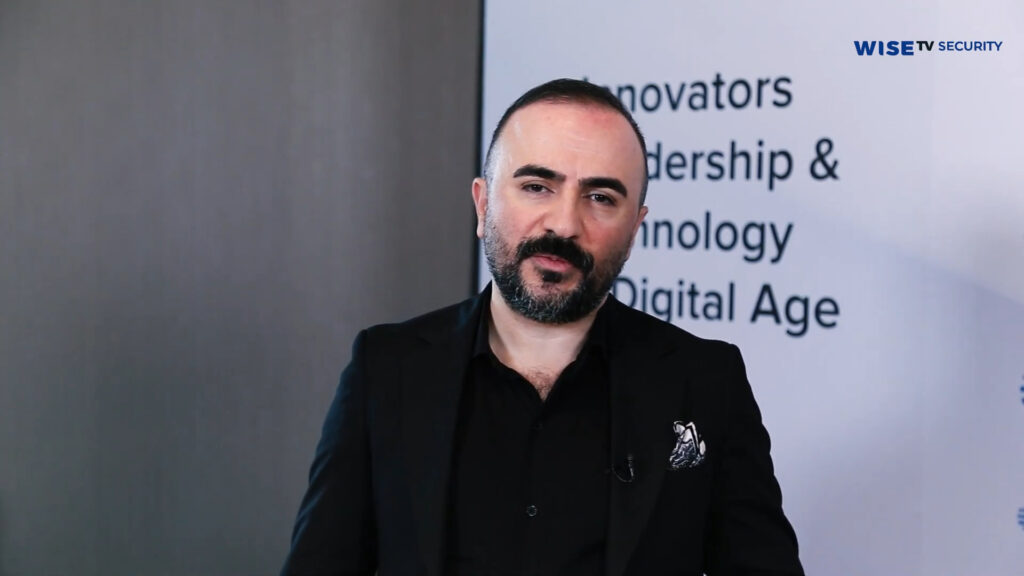
Risks posed by artificial intelligence and the advantages it offers in defense
Emre Beştepe, CIO of Çokyaşar Holding, explained in detail on Wise TV how artificial intelligence is utilized in […]