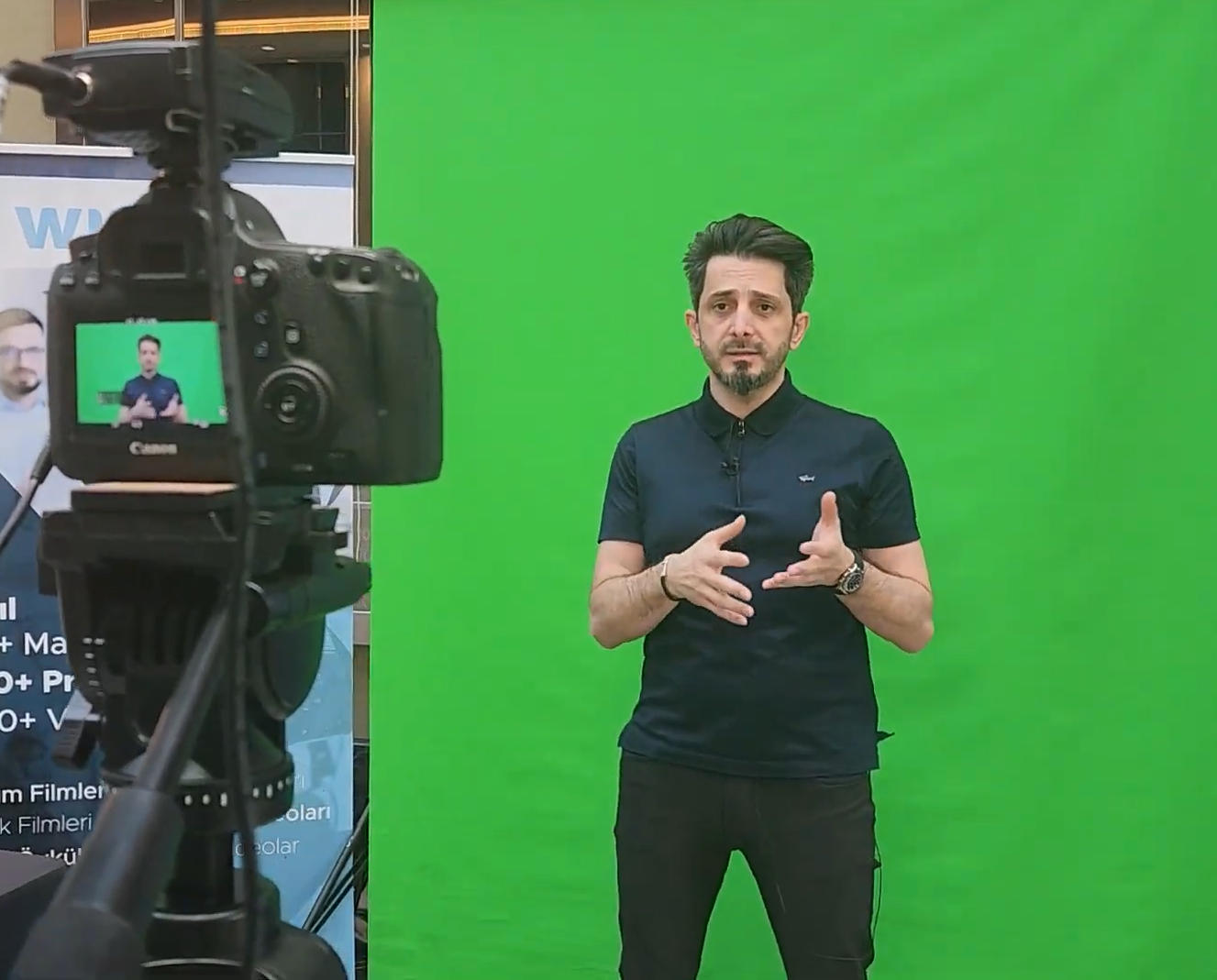
Emre Sel, Country Manager for Akamai Technologies in Turkey, explained why micro-segmentation is necessary.
Sel stated the following:
Let’s consider an email crafted using sophisticated social engineering techniques. It arrives within the organization. An inattentive user clicks a link they shouldn’t or downloads a file they shouldn’t. Since the machine is already behind the firewall and the malware has bypassed endpoint protections—such as XDR or EDR—there are no remaining barriers to stop it. Consequently, the malware can easily spread via lateral movement from the infected laptop to other connected machines, as there is no mechanism in place to block communication between that laptop and other devices on the network. From this point on, the attacker simply needs to infiltrate another machine. They can then move from machine to machine, spreading across the entire network, harvesting valuable data, and potentially exfiltrating it to an external location. Once they have obtained all the desired information, they encrypt every machine they have compromised. When you arrive in the morning and turn on your computer, you are greeted by a ransom note. The question then becomes: Should the ransom be paid or not? Or, if we need to restore from a backup, which backup should we use? How long has the attacker been roaming the network? Three months? Six months? A year? We simply don’t know. Therefore, once a breach has occurred, the resulting loss is immense. Micro-segmentation is crucial precisely because it prevents the threat from jumping from the initial point of compromise to other parts of the network.
Social Engineering Threats in Cybersecurity
In the world of cybersecurity, social engineering attacks are becoming increasingly sophisticated. These attacks aim to infiltrate systems by distracting or deceiving users. Often carried out via email, such attacks can lead users to click on malicious links or download unsafe files. An attack of this nature can bypass organizational firewalls and result in serious security vulnerabilities.
Dangers Lurking Behind Firewalls
Although many organizations feel secure relying on firewalls and endpoint protection systems, social engineering attacks can circumvent these defenses. Malicious software infiltrating systems through such attacks can move freely behind the firewall. This enables attackers to move laterally within the network and compromise other systems.
Lateral Movement and Internal Network Spread
Once malicious software has infiltrated a system, it can move laterally to other connected systems. This allows attackers to spread rapidly across the network and gain access to additional systems. Such propagation enables attackers to seize valuable information and exfiltrate it to external networks.
Ransomware and Encryption Threats
After obtaining the desired information from the network, attackers may encrypt systems and demand a ransom. Users might find a ransom note upon accessing their systems. In such scenarios, critical decisions must be made regarding whether to pay the ransom or which backups to utilize.
The Importance of Micro-segmentation
Micro-segmentation serves as an effective defense mechanism against cyberattacks. This method isolates systems within the network from one another, preventing malware from spreading to other systems in the event of an attack. Micro-segmentation is particularly critical for minimizing the impact of social engineering attacks.
Paying the Ransom: Yes or No?
With the proliferation of ransomware, deciding whether or not to pay the ransom has become difficult. While paying the ransom may embolden attackers, refusing to pay can result in data loss. Therefore, it is essential for organizations to develop a robust backup strategy and prepare for ransomware threats.
Re-evaluating Security Strategies
Social engineering attacks and ransomware necessitate a re-evaluation of organizational security strategies. Establishing a strong security infrastructure, raising user awareness, and developing an effective backup strategy are among the best measures to counter such threats.
In conclusion, social engineering attacks and ransomware pose serious threats to organizations. Developing effective defense mechanisms against such attacks, ensuring network security, and raising user awareness must be the cornerstones of cybersecurity strategies. Innovative approaches like micro-segmentation can provide effective protection against these threats.
About the Wise

Similar Videos from this Wise

Akamai Micro-Segmentation Solution
Emre Sel, Country Manager for Akamai Technologies Turkey, explained Akamai’s micro-segmentation solution and its benefi...