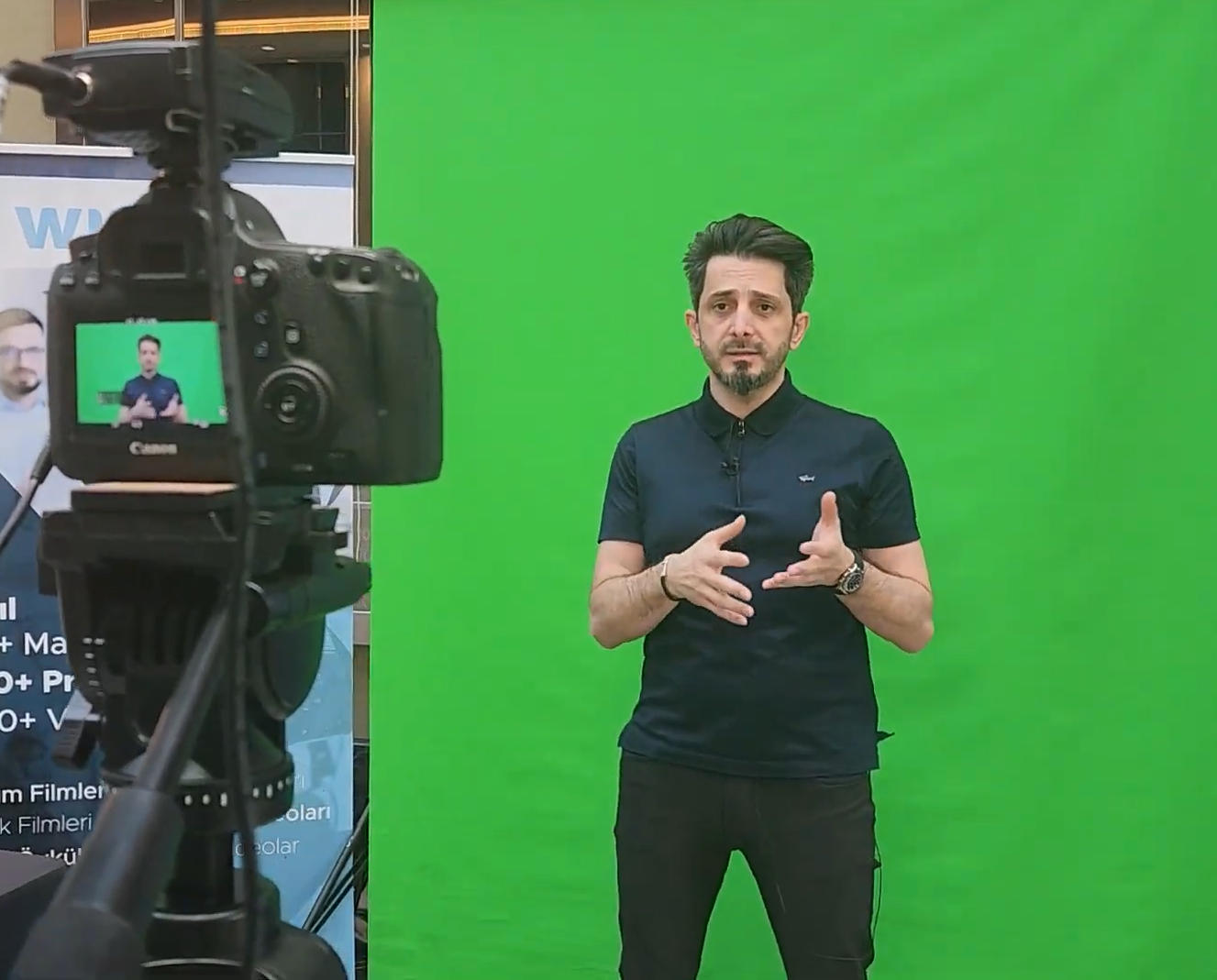
Netsmart Team Leader Emir Sözer, under the title “Why SASE?”, evaluated the importance of the SASE approach in modern network and security architectures.
Sözer stated the following:
Traditional security architectures rely on centralizing and controlling user and application traffic. However, this approach has become insufficient with the proliferation of cloud services and the increase in remote work models. SASE, on the other hand, moves security not to the center, but to where the user is located, i.e., the endpoint or the nearest cloud access point. Thus, both performance and security controls are applied consistently. SASE offers security in an integrated rather than modular way. It filters web traffic with Secure Web Gateway. It controls cloud applications with CASB. It manages user access according to the Zero Trust principle with ZTNA. And it provides security from the cloud with Firewall as a Service. In other words, both visibility and control are under one roof. Zero Trust is based on the principle of “never trust, always verify.” SASE is the infrastructure that makes this approach applicable. For example, when a user wants to access a SaaS application from their device, authentication is first performed via SASE. The device’s security status is checked. Then, access is granted only to the necessary application. This check is continuous. Access is dynamically updated when conditions change. In short, SASE offers a practical solution that integrates the Zero Trust principle into daily operations. This is not just a technology investment, but a strategic transformation. With SASE, operational complexity is reduced, and security policies become centralized and more scalable. As a result, lower risk, higher performance, and a much more flexible security architecture are achieved.
Transformation of Security Architectures
Traditional security architectures relied on centralizing and controlling user and application traffic. However, with the proliferation of cloud services and the rise of remote work, this approach has become insufficient. This is where SASE (Secure Access Service Edge) comes in, offering a more flexible and effective solution by moving security from the center to the user’s location.
What is SASE and How Does it Work?
SASE is an architecture that offers security in an integrated rather than modular way. It brings together various technologies to ensure the security of users and applications. Secure Web Gateway filters web traffic, while CASB (Cloud Access Security Broker) controls cloud applications. ZTNA (Zero Trust Network Access) manages user access according to the “never trust, always verify” principle.
The Zero Trust Principle
Zero Trust is based on the “never trust, always verify” principle in security. SASE provides an infrastructure that makes this principle applicable. When users want to access SaaS applications from their own devices, authentication is performed via SASE and the device’s security status is checked. This ensures that access is granted only to the necessary applications.
Dynamic Access Control
SASE manages access control continuously and dynamically. When conditions change, access permissions are automatically updated. This makes security policies more flexible and scalable.
Reducing Operational Complexity
SASE centralizes security policies by reducing operational complexity. This simplifies management and minimizes security risks. It also improves performance, providing a more efficient work environment.
Strategic Transformation
SASE should be considered not just a technology investment, but also a strategic transformation. This transformation offers lower risk, higher performance, and a more flexible security architecture. Organizations can thus manage their security more effectively.
Conclusion
SASE goes beyond traditional security approaches, providing more effective security for users and applications. This solution, which integrates the Zero Trust principle into daily operations, centralizes and scalable security policies. The result is lower risk, higher performance, and a flexible security architecture. This transformation provides a strategic advantage for organizations.
About the Wise