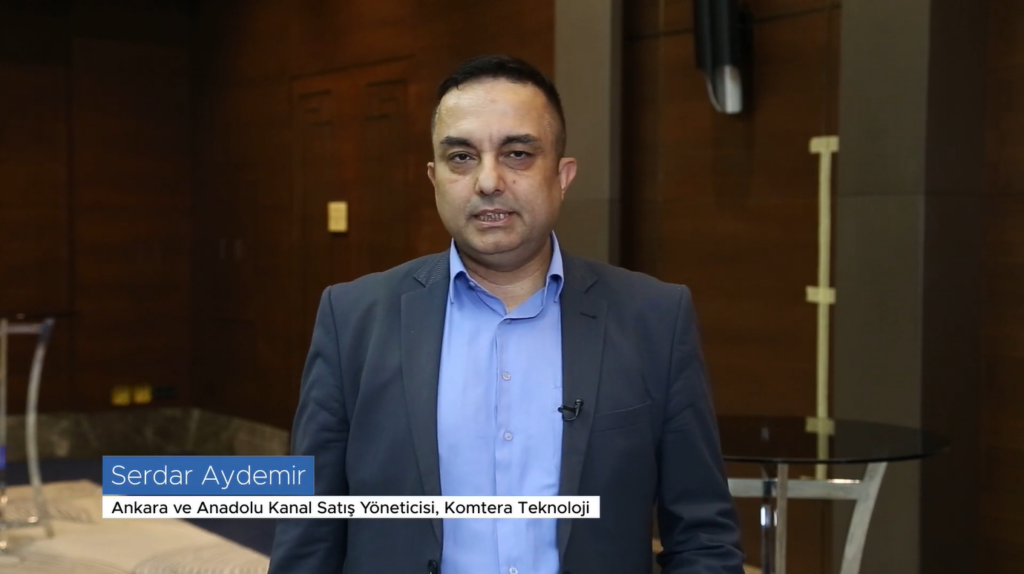
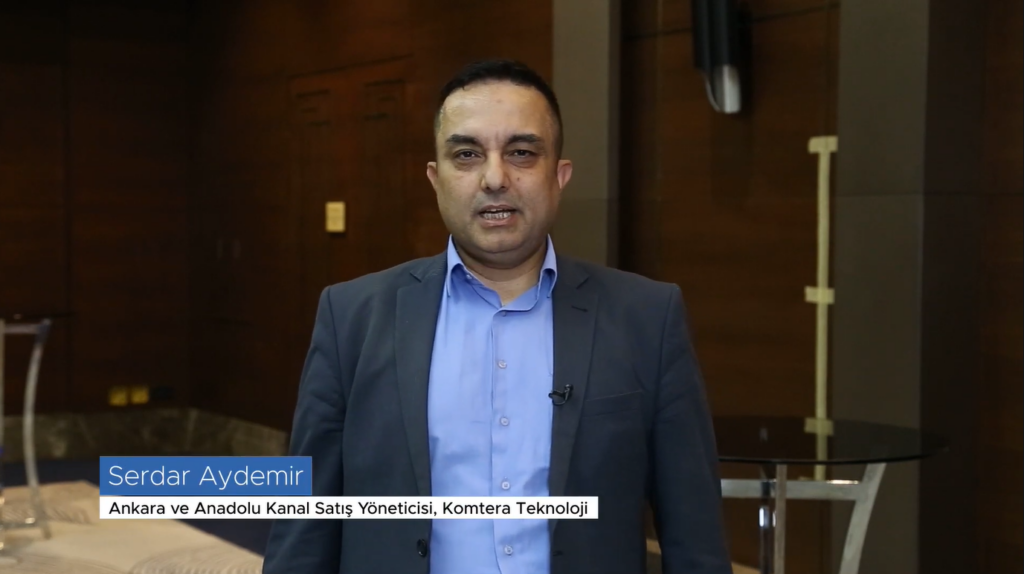
Serdar Aydemir, Komtera’s Ankara and Anatolian Channel Sales Manager, evaluated the critical processes following a cyberattack under the title “The Story of a Business Demanded a $1 Million Ransom After Being Hacked.”
Aydemir stated the following:
Recently, feedback from SMEs experiencing cyberattacks was as follows: A manufacturing company was hacked, and a $1 million ransom was demanded. The company owner’s approach was: “That’s a huge amount of money. I can’t pay that.” Investigations revealed that the company had a firewall, but an employee had forgotten about a port they had opened to the outside, and because there was no endpoint EDR XDR product to prevent hackers from moving horizontally inside, all backups and data were encrypted. As a result, they unfortunately fired the IT employee. They then brought in a consultant. The investigation determined that the problems were entirely due to human error, that their existing security software license had expired, and that they were using a cracked endpoint, leading to a serious incident. The company owner was forced to pay a very large sum of money.
Cybersecurity Threats in SMEs
Small and medium-sized enterprises (SMEs) continue to be targets of cyberattacks. These businesses are generally protected with fewer resources and security measures than larger companies. This makes them attractive targets for cybercriminals. We will examine how SMEs can cope with and protect themselves against cybersecurity threats.
The Impact of Cyberattacks on SMEs
Cyberattacks can have devastating effects on SMEs. These attacks can cause businesses to suffer financial losses, damage their reputation, and erode customer trust. Ransomware attacks, in particular, can encrypt business data and demand large ransoms. Such attacks can bring business operations to a standstill.
The Role of Human Error
Many cybersecurity breaches stem from human error. Employees’ failure to adhere to security protocols or misconfigurations allow cybercriminals to infiltrate systems. Therefore, training employees in cybersecurity and raising their awareness is critical.
Firewalls and EDR Solutions
Firewalls and Endpoint Detection and Response (EDR) solutions play a crucial role in protecting businesses against cyber threats. Firewalls block external threats, while EDR solutions detect and respond to abnormal activity within the internal network. Effective use of such solutions can help prevent cyber attacks.
The Importance of Using Licensed Software
Using expired or cracked software licenses invites security vulnerabilities. Licensed software is protected by regular updates and security patches. Therefore, it is important for businesses to use licensed software and perform regular updates.
Consulting and Outsourcing
SMEs can identify security vulnerabilities and take necessary precautions by seeking support from expert cybersecurity consultants. Outsourcing can help businesses strengthen their cybersecurity strategies and prepare for current threats.
Conclusion
SMEs may be vulnerable to cybersecurity threats, but they can be protected against these threats with the right strategies and measures. Training and awareness campaigns should be conducted to minimize human error, licensed software should be used, and security solutions should be effectively implemented. Furthermore, support from expert consultants can help businesses strengthen their cybersecurity strategies. In this way, SMEs can become more resilient to cyberattacks and continue their operations securely.
About the Wise
Similar Videos from this Wise
What should companies do if they say, “We invested, yet we’re still being hacked”?
Serdar Aydemir, Komtera’s Ankara and Anatolian Channel Sales Manager, evaluated ways to increase the effectiveness of c...
What cybersecurity investments should companies with 5-10 employees make?
Serdar Aydemir, Komtera’s Ankara and Anatolian Channel Sales Manager, evaluated the cybersecurity measures that small b...
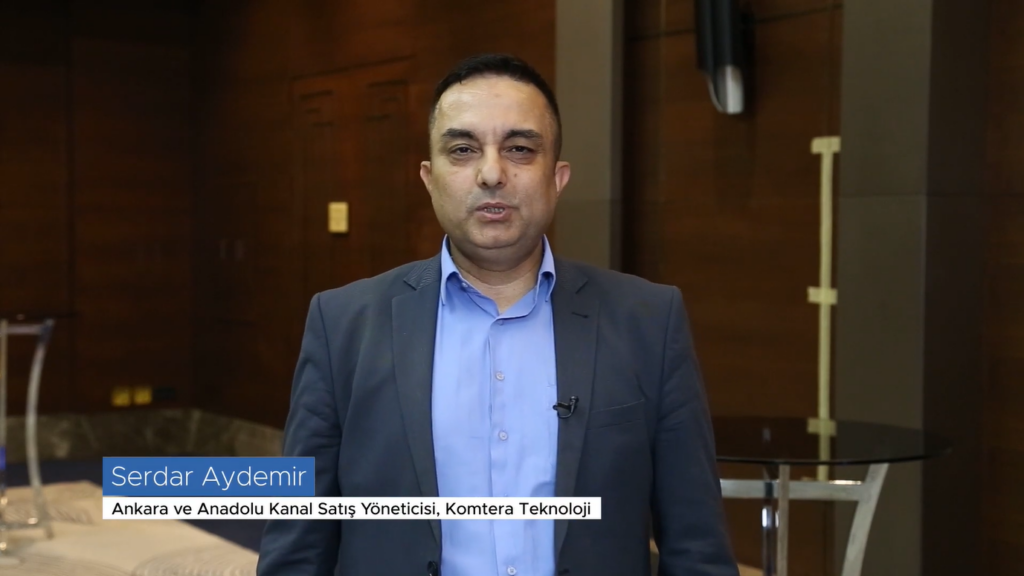
Why are small businesses wrong when they say, “We won’t get hacked”?
Serdar Aydemir, Komtera’s Ankara and Anatolian Channel Sales Manager, evaluated the misconceptions of small businesses...
Are small businesses in Türkiye vulnerable to cyberattacks?
Komtera official Serdar Aydemir assessed the state of cybersecurity in small businesses in Turkey under the title, “Are...
Are SMEs under threat? What approach should they take against cyberattacks?
Serdar Aydemir, Komtera’s Ankara and Anatolian Channel Sales Manager, made assessments regarding the measures SMEs shou...