Why Should Companies Transition to a Zero Trust Model?
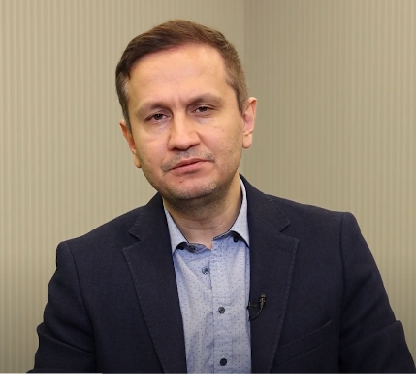
In an exclusive interview with Wise TV, Serkan Özden, Founder and CEO of Opinnate, explained in detail how the Zero Trust security model offers more comprehensive protection to organizations, the role of the human factor in this process, and the importance of automation. “The human factor is a critical element in an organization’s approach to cybersecurity. Broadly speaking, this issue has two dimensions. The first dimension concerns end-users; it is vital for organizations to raise the cybersecurity awareness levels of all their end-users. It is essential for organizations to conduct periodic awareness and training initiatives, as threats often target the weakest link—which, in many cases, turns out to be the end-user. Consequently, training and awareness programs for end-users are of paramount importance. The second dimension involves privileged users—those who actively manage cybersecurity systems. For this group, organizations should prioritize a ‘zero-trust’ approach. Under the zero-trust framework, privileged users should essentially be treated like end-users; this means they must also undergo continuous training and participate in ongoing awareness programs. Furthermore, human error remains a significant factor when considering the cybersecurity approach regarding privileged users. This can manifest in two ways: operational disruptions caused by human error, or security breaches and incidents resulting from the same. Both scenarios are highly problematic. This highlights the importance of employing a skilled workforce. In addition to leveraging skilled human resources, the automation of routine tasks is also a key factor. Regardless of the skill level of the personnel involved, it is important to move away from relying on manual, routine processes within cybersecurity operations.” …I can say that tasks should be automated so that employees can focus on more advanced matters and avoid simple errors.”
The Importance of the Human Factor in Cybersecurity
In today’s digital world, cybersecurity is of critical importance to every organization. However, no matter how robust the technological infrastructure may be, the human factor can often represent the weakest link in these systems. In the context of cybersecurity, the human factor can be examined across two primary dimensions: end users and privileged users. Both groups must remain at the heart of cybersecurity strategies and receive continuous training. In this article, we will explore in detail the impact of the human factor on cybersecurity and the measures that should be taken in this area.
End-User Awareness
End users are frequently considered the weakest link in the cybersecurity chain. Consequently, organizations should conduct periodic training sessions and awareness initiatives to enhance the cybersecurity awareness of their end users. Such training helps users recognize potential threats and learn how to take preventive action against them.
Training for Privileged Users
Privileged users are individuals who manage cybersecurity systems and have access to critical data. A “zero-trust” approach should be adopted for these users, supported by ongoing training. Like end users, privileged users must also be subject to regular awareness-building activities.
The Impact of Human Error
Human error can lead to significant disruptions and security breaches within a cybersecurity environment. Therefore, strategies aimed at minimizing human error must be developed for both end users and privileged users. Education and awareness initiatives play a significant role in preventing these errors.
The Importance of Competent Human Resources
Competent human resources are critical for the effective implementation of cybersecurity strategies. Organizations should employ skilled personnel and support their continuous professional development. This helps build a more resilient structure against cybersecurity threats.
The Role of Automation
In cybersecurity, the automation of routine tasks is essential for minimizing human error and allowing staff to focus on more strategic matters. Automation makes cybersecurity processes more efficient and helps prevent errors caused by human factors.
About the Wise

Similar Videos from this Wise

How do multiple infrastructures threaten network security?
Speaking to Wise TV, Opinnate Founder and CEO Serkan Özden discussed the threats posed by multiple infrastructures to [&helli...

“Seeing the Unseen” in Firewall Management
In his presentation titled “Seeing the Unseen” at the IDC Security Road Show, Serkan Özden, Founder and CEO [&hel...

About Opinnate
Serkan Özden, Founder and CEO of Opinnate, explained on Wise TV how Opinnate—a fully domestic venture—simplifies this complex...
What Are the Advantages of Receiving Services from MSS Providers?
In an interview with Wise TV, Serkan Özden, Founder and CEO of Opinnate, provided a comprehensive assessment of […]
Organizations Enhance Business Continuity with Robotic Process Automation
In an exclusive interview with Wise TV, Serkan Özden, Founder and CEO of Opinnate, provided an in-depth look […]