What are the security issues encountered when accessing company systems?
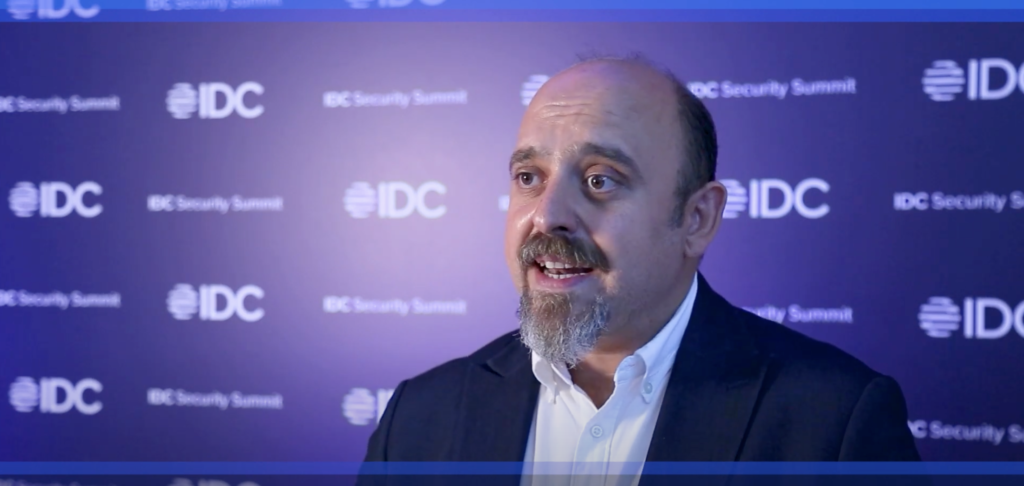
The shift toward working from home—accelerated by crises such as the pandemic and earthquakes—has fundamentally transformed corporate information security policies. In a statement to Wise TV, Ömer Özaşık, Chief Business Development Officer (CBDO) at Vitel A.Ş., detailed the most critical security challenges arising from this transition and outlined potential solutions.
When employees work from an office, addressing technical issues is straightforward—you can quickly resolve problems for someone sitting at the very next desk. However, when employees work remotely—whether nearby or in a distant location—accessing corporate systems has proven to be a significant challenge. While tools like VPNs can help mitigate some of these issues, malicious actors can still intervene as intruders, masquerading as legitimate employees to infiltrate corporate systems and exploit sensitive internal data for their own harmful purposes. To prevent this, it is essential to establish a framework that monitors and manages all devices—including tablets, phones, computers, and various IoT devices—regardless of their operating system, brand, or model, ensuring that all security vulnerabilities are addressed. In fact, this has been the most significant innovation brought to the IT landscape by major disasters, starting with the pandemic and followed by the earthquakes. This awareness has grown substantially, making the implementation of such security systems within companies an absolute necessity. We anticipate that, through the end of 2023 and the first six months of 2024, there will be an increasing need for—and adoption of—such systems, starting with large corporate enterprises, major government ministries and their affiliated directorates, and eventually extending down to the level of small and medium-sized enterprises (SMEs).
Security Challenges Posed by Working from Home
Working from home has become an increasingly common practice in the modern business world. However, this mode of work also brings certain security challenges. In particular, the issues employees encounter when accessing corporate systems remotely are prompting companies to re-evaluate their security policies.
Remote Access and the Use of VPNs
The most common solution for remote workers is the use of secure connection methods, such as VPNs. Yet, these methods are not always sufficient; relying on a VPN may not entirely prevent malicious actors from infiltrating a system. Consequently, companies must implement additional security measures.
Threats from Malicious Actors
Malicious actors can infiltrate corporate systems to seize sensitive information. Such incidents can damage a company’s reputation and lead to financial losses. To counter these threats, it is essential for companies to keep their security systems consistently up to date and to raise awareness among their employees.
Managing Security Vulnerabilities
Companies need to establish a framework that allows them to monitor and manage all their devices—including tablets, phones, and computers—regardless of their make or model. This enables the rapid identification and remediation of security vulnerabilities.
About the Wise

Similar Videos from this Wise
Which aspects are being neglected in terms of security?
Ömer Özaşık, Chief Business Development Officer (CBDO) at Vitel A.Ş., explains how the speed at which we adopt […]