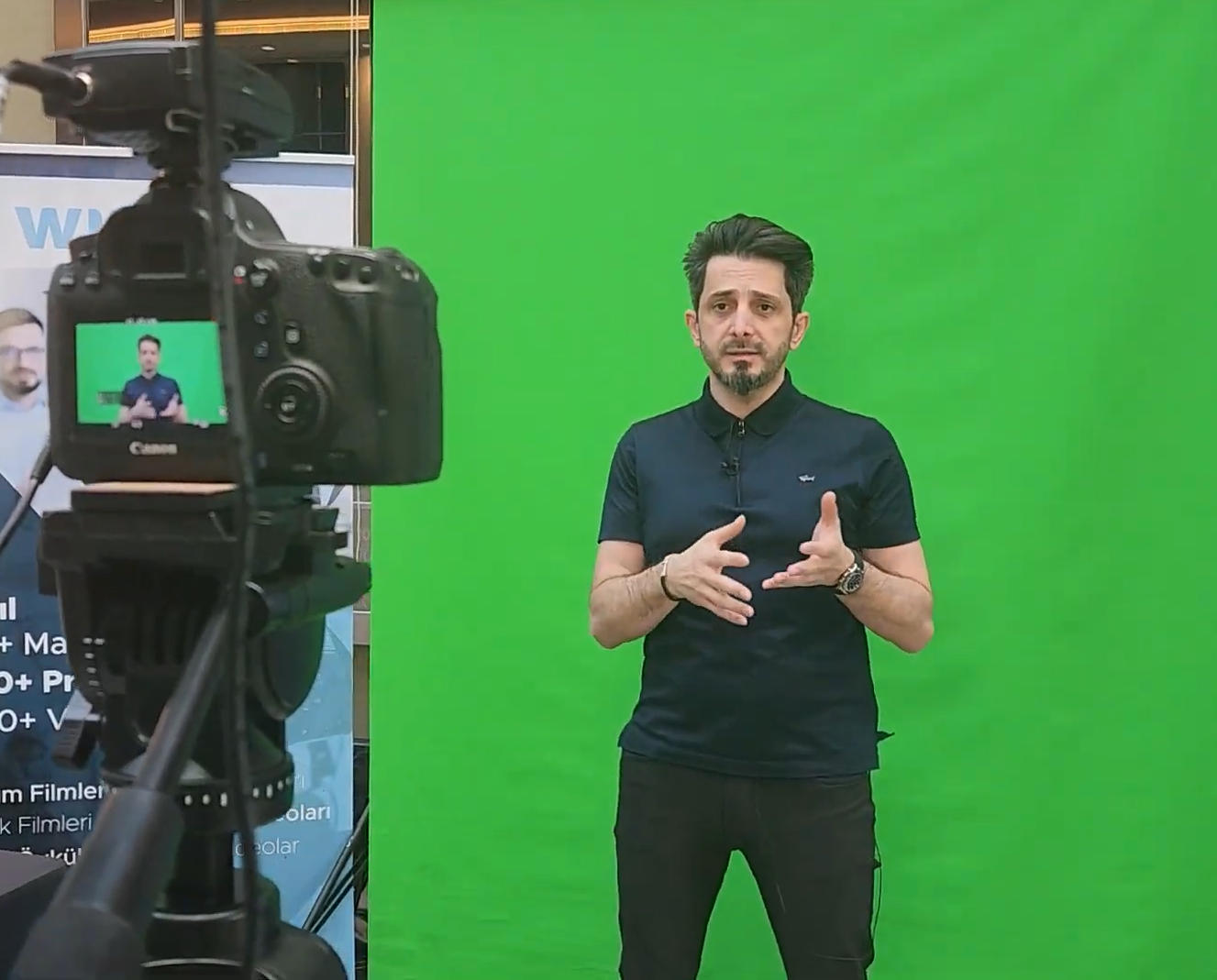
Barış Fındık, Chief Technology Officer at Pegasus Airlines, discussed the areas where artificial intelligence creates value in the aviation industry. Fındık stated:
When I look back at the last two or three years regarding artificial intelligence, we have seized significant opportunities. Naturally, when people mention AI today, they—quite understandably—focus on LLMs (Large Language Models), as these technologies entered the public consciousness through tools like ChatGPT and Gemini. Consequently, LLMs dominate the conversation. However, I view an airline primarily as a planning and optimization company. In the context of planning and optimization, “machine learning”—a subset of AI—offers us a much greater scope for value creation through optimization techniques. Reflecting on past years, dynamic pricing, for instance, not only enabled us to offer affordable tickets to our customers but also allowed us to launch projects generating over 50 million euros in incremental revenue annually. Yet, AI projects have a specific dynamic: their initial rollout can sometimes be met with resistance, as the technology begins to compete with human intelligence and experience. For example, when we started using AI to forecast the demand for perishable goods loaded onto aircraft, we initially faced objections from the field—staff would ask, “I’ve been doing this job for ten years; can the system really predict better than I can?” And indeed, there were instances where it didn’t predict as accurately. Therefore, when launching such projects, one must be prepared to address and manage the negative feedback that may arise from the operational teams. Over time, these projects reach a certain level of maturity through an interactive process, and only then do they truly begin to generate value. However, it is essential to remain patient and demonstrate the energy needed to refine them iteratively; one must not become discouraged or abandon the project simply because of an initial reaction. The nature of artificial intelligence projects demands a degree of persistence. They require a mindset of “continuous improvement” and the resolve not to back down at the first sign of resistance. In a sense, the structure of these projects resembles that of R&D initiatives: one must test them over the long term, persevere, stay the course, and ultimately derive value from them.
About the Wise

Similar Videos from this Wise

From Secure Coding to Penetration Testing: How Is Data Security Ensured?
Barış Fındık, Chief Technology Officer at Pegasus Airlines, spoke about how to ensure data security—from secure coding to [&h...

Can AI Generate Value Without Data Governance?
Pegasus Airlines Chief Technology Officer Barış Fındık spoke about generating value from artificial intelligence without data...