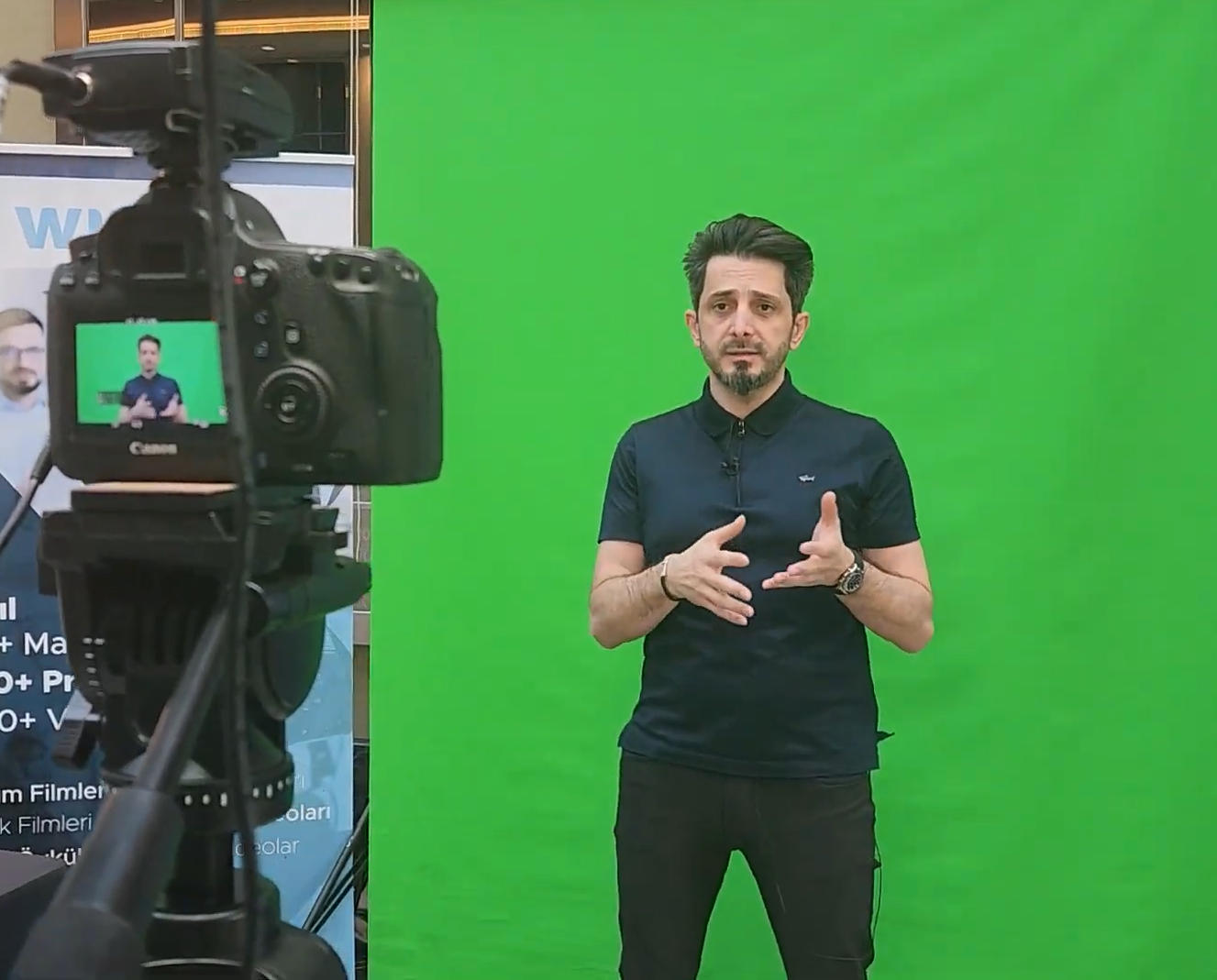
Netsmart Data Security Team Leader Göktuğ Doğan evaluated the importance of MFA (Multi-Factor Authentication) applications for businesses under the title “Multi-Factor Authentication (MFA) is Now a Necessity.”
Doğan stated:
“MFA not only increases the security of authentication but also narrows the attack surface. It provides effective protection, especially against credential stuffing, phishing, and man-in-the-middle attacks. Netsmart integrates PKI-based smart cards, FIDO2-supported hardware, and mobile push notification MFA solutions with enterprise identity access management infrastructures to establish end-to-end secure access architectures. MFA is no longer just a user-friendly security layer; it’s an indispensable part of regulatory compliance. In one of our clients’ cases, an administrator account was compromised by an email phishing attack. Fortunately, MFA was active, and the attack failed because a second factor was required for verification. If MFA hadn’t been implemented, all Active Directory access could have been at risk. We integrate MFA not only for login but also for critical transaction approvals.”
What is Multi-Factor Authentication (MFA)?
Multi-Factor Authentication (MFA) is a security system that combines multiple authentication methods to verify user identities. This method requires an additional factor, such as a physical device or biometric data, in addition to traditional authentication information like usernames and passwords. This significantly increases the security of accounts.
The Impact of MFA on Security
MFA not only enhances the security of authentication but also narrows the attack surface. It provides effective protection against common attack types, particularly credential stuffing, phishing, and man-in-the-middle attacks. These types of attacks typically aim to steal users’ credentials, and MFA largely prevents such attempts.
Net Smart PKI-Based Solutions
Net Smart integrates MFA solutions with enterprise identity and access management infrastructures by offering PKI-based smart cards and FIDO2-enabled hardware. This integration creates end-to-end secure access architectures and ensures users can securely access the system.
MFA and Regulatory Compliance
MFA is not only a user-friendly security layer, but also an indispensable part of regulatory compliance in many sectors. In sectors such as finance and healthcare, the use of MFA has become mandatory. This enhances the security of both users and organizations.
MFA Success Stories
In one of our clients’ cases, an administrator account was compromised by an email phishing attack. Fortunately, MFA was active, and the attack failed because a second factor of verification was required. If MFA had not been implemented, all Active Directory access could have been at risk. Such examples demonstrate how effective MFA is as a security measure.
Using MFA in Critical Transaction Approvals
We integrate MFA not only into logins but also into critical transaction approvals. This provides an additional layer of security, especially for critical transactions such as financial transactions or access to sensitive data. This prevents unauthorized access and enhances system security.
The Future of MFA
MFA will become even more widespread and advanced as technology develops. Biometric authentication methods, AI-powered security solutions, and many other innovations will shape the future use of MFA. This will further enhance the security of users and organizations.
MFA has become an indispensable part of security in today’s digital world. Using multiple factors to verify user identities significantly increases account security. It provides effective protection, especially against attacks such as credential stuffing, phishing, and man-in-the-middle attacks. Companies like Net Smart integrate MFA into their enterprise identity and access management infrastructures by offering PKI-based solutions. This creates end-to-end secure access architectures and ensures users can access the system securely. MFA is not only a security layer but also a crucial part of regulatory compliance.
About the Wise