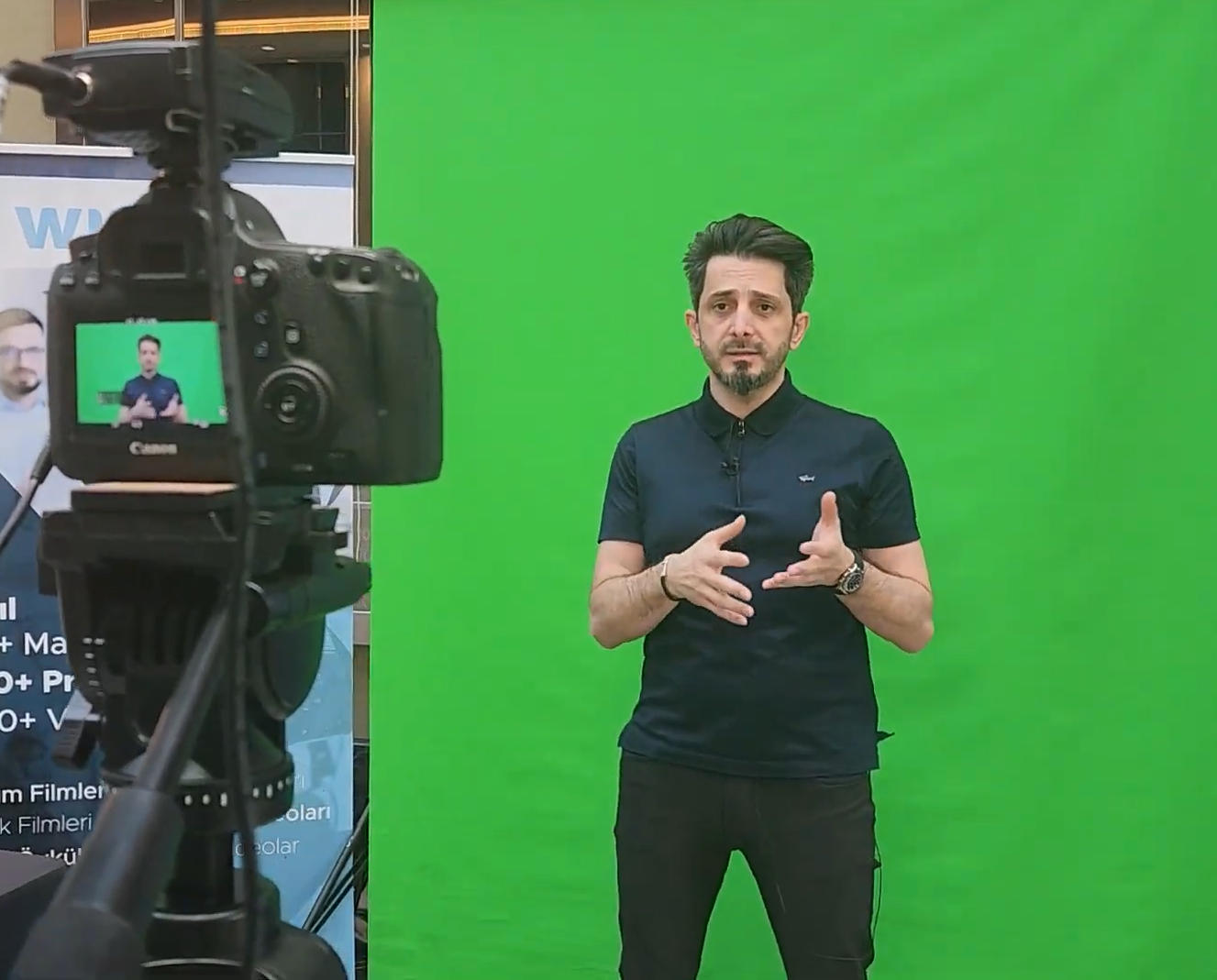
In an interview with Wise TV, Hayat Holding CISO Murathan Gemicioğlu emphasizes the critical importance of threat modeling in application security. According to Gemicioğlu, to ensure software security, threat modeling must be implemented right from the start of the application development process.
Murathan Gemicioğlu stated the following:
Application security has become more important than ever in today’s digital world. Application developers need to understand and implement critical processes—such as threat modeling—to secure their software. Threat modeling is a method used to identify security risks and establish protections against them, starting from the application’s development phase. This process helps developers better understand vulnerabilities and make their applications more secure. This article will focus on why threat modeling is important, how it should be implemented, and what developers need to consider during this process.
The Importance of Threat Modeling
Threat modeling is a cornerstone of application security. This process enables developers to identify potential security threats and take appropriate measures against them. Threat modeling helps ensure the security of an application throughout its entire lifecycle, thereby guaranteeing the protection of user data. These models assist developers in determining which areas of the application require enhanced protection.
Training and Informing Developers
To develop a secure application, it is essential that developers receive training on threat modeling. Developers should receive training on the security threats they may encounter and how to address them. Furthermore, they need to be knowledgeable about secure application development standards and cryptography standards. Through such training, developers acquire the necessary knowledge and skills to make their applications more secure.
Use of Checklists and Automation Tools
It is recommended that developers utilize various checklists during the threat modeling process. These lists help them determine which security measures should be implemented in specific parts of the application. For instance, if a developer is using a framework, they should check for any security vulnerabilities associated with that framework. Additionally, static code analysis tools can assist developers in identifying security vulnerabilities within their software. Integrating these tools into software development environments enables developers to perform security checks more easily.
Project Management and Security Processes
Threat modeling is not merely a technical process; it is also an integral part of project management and security workflows. At the project’s inception—specifically when defining the scope—the insights and guidance of information security experts should be sought and incorporated. This approach minimizes security risks throughout the project lifecycle and ensures the application’s security.
Dynamic and Static Code Analysis
To ensure application security, both dynamic and static code analyses should be performed. While dynamic analysis helps identify how the application behaves during runtime and uncovers potential vulnerabilities, static analysis helps detect security flaws during the coding phase. Conducting these analyses regularly enhances the security of the application.
About the Wise
Similar Videos from this Wise

Why is the flexibility to anticipate new risks in endpoint security important?
In an interview with Wise TV, Hayat Holding CISO Murathan Gemicioğlu discusses in detail the weak links at […]

What roadmap should be followed for the security of critical infrastructure?
Why are IoT and OT security so critical? Murathan Gemicioğlu, CISO of Hayat Holding, discussed cybersecurity threats in [&hel...
To what extent is it possible to ensure endpoint security using a zero-trust approach?
Murathan Gemicioğlu, CISO of Hayat Holding, explained the Zero Trust philosophy—one of the most significant approaches in the...
Manufacturing facilities where IT and OT security are not managed in an integrated manner.
Speaking to Wise TV, Hayat Holding CISO Murathan Gemicioğlu stated that the distinction between IT and OT needs […]