Are AI-based attack detection mechanisms becoming more widespread?
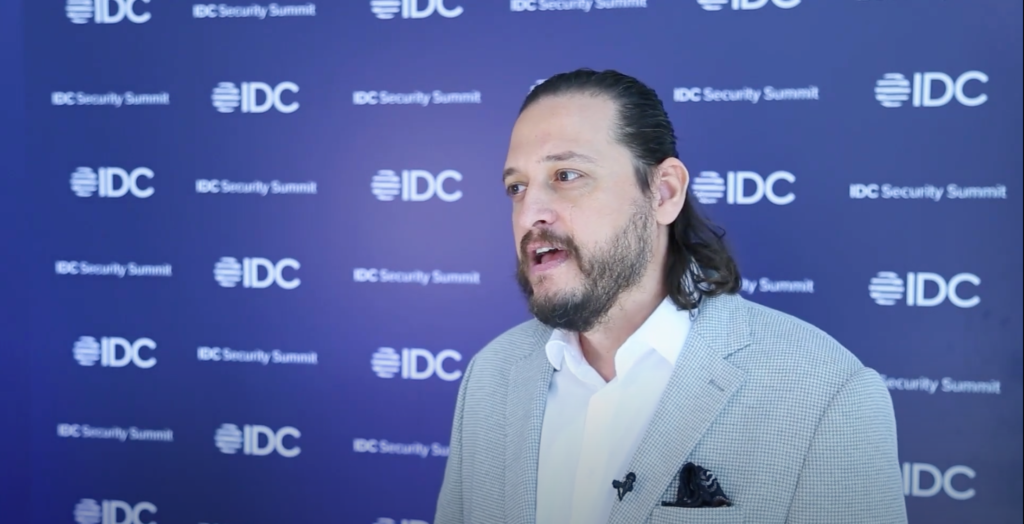
The scale of cyber threats is evolving and becoming increasingly complex by the day. In an interview with Wise TV, Selim Öziş, Regional Sales Manager at CrowdStrike, shares compelling insights into the recent rise of “fileless” attacks and the measures organizations are taking to counter them.
“In the past, we relied primarily on signature-based defense mechanisms, which were capable of detecting the vast majority of threats. Today, however, the landscape has shifted: approximately 71% of incidents now involve ‘fileless’ attacks. To combat these, organizations have significantly increased their investments and budgets, focusing specifically on detection and response capabilities. There is a metric known as ‘dwell time’—the duration between an attacker’s initial entry into an organization’s network and their subsequent lateral movement. This timeframe has shrunk to as little as 79 minutes. To respond and intervene with the necessary speed, we are leveraging artificial intelligence to its full potential, integrating AI-driven detection mechanisms across all aspects of our product suite.”
A New Era in Cybersecurity: Fileless Attacks
As technology advances rapidly, cybersecurity threats have become increasingly complex and difficult to detect. Fileless attacks, in particular, represent an area where traditional signature-based defense mechanisms fall short. In this article, we will explore what fileless attacks are, how they can be detected, and what measures can be taken to defend against such threats. AI-Based Detection Methods
Artificial intelligence (AI)-based detection methods are employed to develop an effective defense against fileless attacks. AI can analyze anomalous behaviors and potential threats in real time, allowing for the rapid detection of—and intervention against—an attacker’s movements within a system.
Dwell Time and Its Significance
“Dwell time” refers to the duration between an attacker’s initial infiltration of a network and the moment they are detected. This period is critical in cybersecurity, as the length of time an attacker remains in a system determines the potential scale of the damage they can inflict. Currently, dwell times have been reduced to as little as 79 minutes, a timeframe that necessitates swift and effective intervention.
Corporate Investments and Strategies
To build a robust defense against fileless attacks, organizations are making significant investments to enhance their detection and response capabilities. These investments primarily focus on the integration of AI-driven systems and the training of security personnel. Furthermore, information sharing and collaboration among organizations have emerged as a key strategy for countering such threats.
About the Wise

Similar Videos from this Wise

“With the rise in cases, we need AI.”
In the world of security, we have reached a point where human resources alone are no longer sufficient. […]
Have attackers started using artificial intelligence?
In this video, Selim Öziş, Regional Sales Manager at CrowdStrike, discusses the defense strategies we need to develop [&helli...