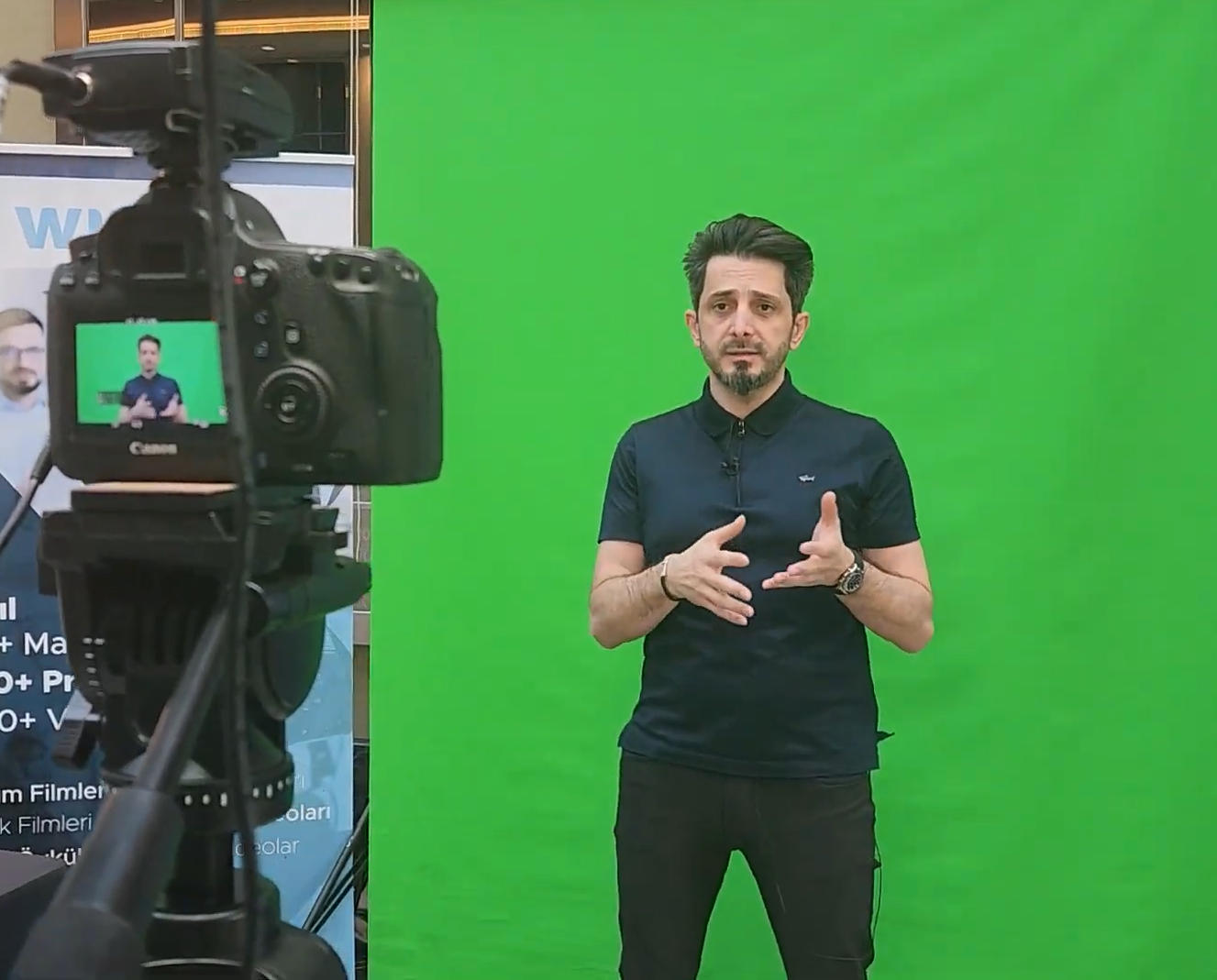
Dgpays CISO Emre Savaştürk answered the question, “How are CISOs preparing for AI threats?”
Savaştürk stated:
“As someone who has worked in the sector for many years, I have personally experienced this transformation. Previously, when we talked about IT, there was a security function within IT. There were core technologies it managed and outputs of those technologies. Now, in today’s world, cloud computing, API security, and the risks associated with AI are incredibly disruptive and threaten cybersecurity. On the one hand, AI is on everyone’s agenda. They want to do incredible things with AI. On the other hand, there are teams like ours who are raising the flag, asking if we are the only ones who see the risks of this. Therefore, it’s necessary to strike a balance. And what do we do when we strike this balance? When we get involved from the beginning, we first understand a need. When we analyze the need, CISOs are no longer in the old format like ever before. Previously, we could stay too much on the technical side and only live in our own world.” Our outputs were already serving IT or serving products and services. But today, we are directly in the middle of the business function. This means we need to be in very close communication with business units. We need to start from the beginning, be involved from the very beginning. Along with this, we need to clearly explain our concerns to senior management. Then AI emerged. If there are many cybersecurity risks related to AI, now solutions are emerging that address the cybersecurity and defensive aspects of AI. When we have to invest here, it shouldn’t be perceived as a cost. Today’s technologies bring tomorrow’s problems. If today’s technology is AI, it already brings us problems related to cyber risks, and we always try to solve them without any barriers. That’s my personal approach. A good information security manager understands the business needs. They have their own red lines, but within those red lines, they always produce solutions, offer ideas. Even if it’s not feasible, they clearly explain why it’s not feasible and are the first to put possible options on the table. As the number of products increases, complexity increases, technical competence increases, and as I said, the job of information security managers is more difficult than ever. CISOs need to be more than ever at the C-level, able to manage resources, communicate them to senior management, and implement the right strategies within your organization with a truly risk-aware approach. To move beyond being a barrier and a cost center, CISOs must act as a bridge between senior management and IT, with an independent perspective. In this bridging role, they must understand all stakeholders well and generate truly effective solutions.
Information Security and Artificial Intelligence: Challenges of the New Era
Information security has become more complex and challenging with the rapid advancement of technology. New technologies, particularly artificial intelligence and cloud computing, are creating new threats and opportunities in the field of cybersecurity. This article will address the challenges faced by information security managers and strategies for overcoming these challenges.
Artificial Intelligence and Cybersecurity
While artificial intelligence is revolutionizing many sectors, it is also having a significant impact on cybersecurity. AI is causing cyberattacks to become more sophisticated, while simultaneously strengthening defense mechanisms. Information security managers must consider the risks that artificial intelligence brings while evaluating the opportunities it offers.
Cloud Computing and API Security
Cloud computing provides businesses with flexibility and cost advantages, but it also brings new security challenges. API security is critical for securing cloud-based applications. Information security managers must stay up-to-date on cloud computing and API security and develop effective strategies in these areas.
Close Communication with Business Units
Today, information security has ceased to be merely a technical issue and has become a strategic part of business units. Information security managers must maintain close communication with business units and understand their needs. This ensures that security strategies are aligned with business objectives.
Effective Communication with Senior Management
Information security managers need to establish effective communication with senior management. Security investments should be viewed not as a cost, but as a necessity for the sustainability of the business. Security risks and strategies for dealing with these risks should be clearly explained to senior management.
Resource Management and Training
Finding and training competent personnel in the field of information security is one of the significant challenges faced by managers. Effective resource management and continuous training programs should be implemented to keep personnel up-to-date.
Strategic Approaches and Solutions
Information security managers should shape their organization’s security strategies by developing risk-focused approaches. In this process, strategic thinking and problem-solving skills are as important as technical competencies. Managers should understand their organization’s security needs and produce effective solutions.
Summary
Information security has become more complex with technological advancements. New technologies such as artificial intelligence and cloud computing create both threats and opportunities in the field of cybersecurity. To address these challenges, information security managers must communicate effectively with business units and senior management, manage resources efficiently, and develop strategic solutions. This allows security strategies to be aligned with business objectives, making organizations more resilient to future threats.
About the Wise
Similar Videos from this Wise
Is cybersecurity an obstacle or a necessity in digital transformation?
Dgpays CISO Emre Savaştürk answered the question, “Is cybersecurity an obstacle or a necessity in digital transformatio...
What are the risks for digital businesses?
Dgpays CISO Emre Savaştürk answered the question, “What are the risks for digital businesses?” Drawing attention...