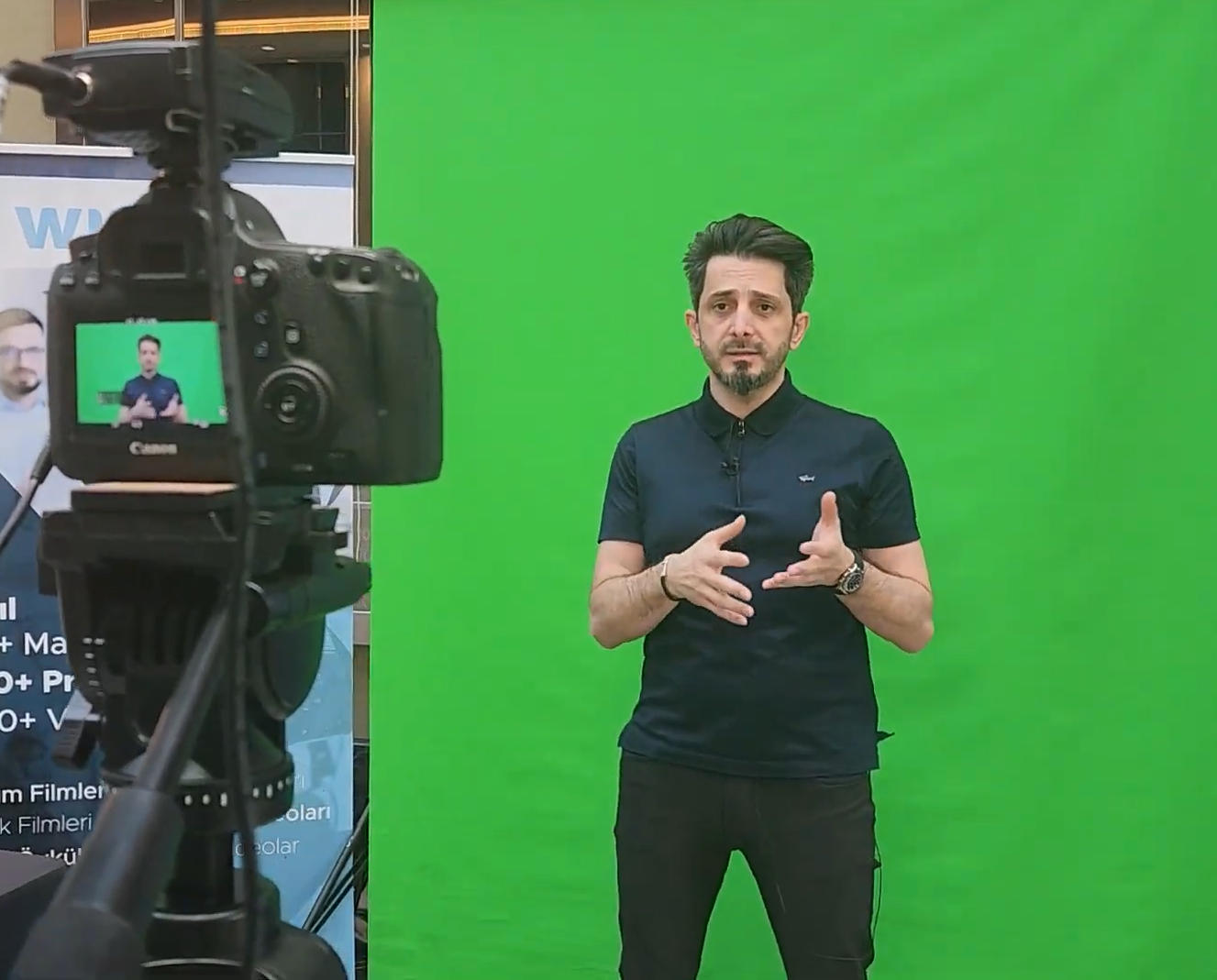
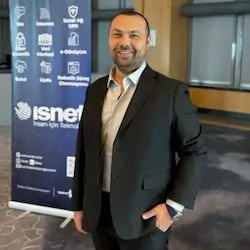
Emre Çamalan, Security Management Manager at İşNet, discussed the most critical ways to enhance cyber resilience. Çamalan stated the following:
At İşNet, we recognize that resilience has become even more important than security alone. We believe that resilience is about withstanding attacks without collapsing and emerging with minimal damage. For us, resilience begins with the initial response at every layer. We believe that the faster we can detect an issue within our SOC (Security Operations Center), the faster we can respond to it. However, the SOC cannot suffice by monitoring alone; we also rely on rapid detection capabilities and external sources. As you know, the SOC operates primarily on information from the SIEM (Security Information and Event Management) system, but we are also fed by external intelligence data. In this regard, services such as CTI (Cyber Threat Intelligence) and MDR (Managed Detection and Response)—alongside the SOC—enhance İşNet’s visibility. This visibility and early detection effectively reduce our vulnerability; we believe that the faster we detect an ongoing attack, the faster we can remediate it. The second key aspect is remediation following detection. If we haven’t segmented the system into smaller components—meaning we cannot replace or repair specific damaged areas and instead rely on a system where all dependencies function as a single, monolithic whole—our resilience will inevitably suffer. That is why we aim to design systems in smaller segments. You can think of it like a puzzle; we break the whole system down into puzzle pieces. Crucially, there must be backups for these individual pieces. If a small system without a backup fails, it can disrupt the entire puzzle. However, since we anticipate further evolution in areas such as segmentation, layered architecture, and micro-segmentation, we are also implementing complementary measures that serve the same purpose. For instance, we believe that by utilizing Multi-Factor Authentication, we are creating more robust systems and significantly hardening access points and credential security. Yet, in the event of a credential theft, we consider ourselves capable of taking rapid action by gathering intelligence on the systems that acquired the credential and swiftly blocking or shutting them down. In short, we monitor the situation, attempt to resolve issues at a granular level, and strive to enhance our resilience through “compensating controls”—supplementary measures that reinforce our defenses. Naturally, to ensure we remain secure amidst advancements in technology, AI, and quantum computing, we regularly review all technologies and keep ourselves up to date. Ultimately, this is how we aim to strengthen our resilience.
About the Wise
Similar Videos from this Wise

How Can Business Continuity Be Ensured Through Managed Security Services?
Emre Çamalan, Security Management Director at İşNet, spoke about ensuring business continuity through managed security servic...
What are the new rules of security in the age of artificial intelligence?
Emre Çamalan, İşNet Security Management Manager, spoke about the new rules of security in the age of artificial […]