What is high-frequency trading, and who can engage in it?
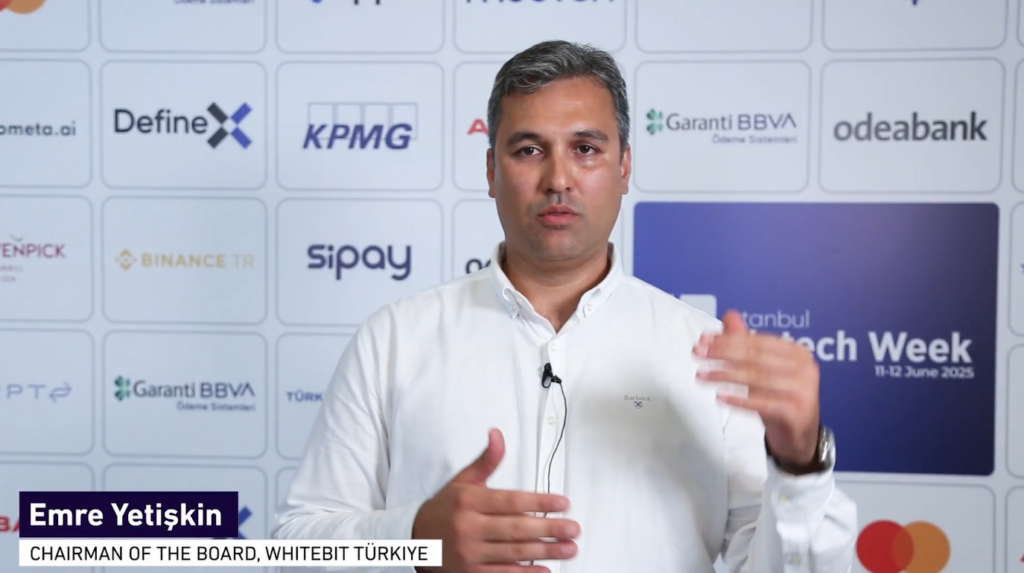
Emre Yetişkin, Head of Business Development at Whitebit, offered the following insights regarding what high-frequency trading (HFT) entails and who is equipped to engage in it:
“High-frequency trading is a more professional form of trading. While traders typically execute buy and sell orders—a process that can be done manually at human speed—high-frequency trading operates on the scale of milliseconds and nanoseconds. Engaging in this requires the use of algorithms and a robust technical infrastructure. It is essential to be well-trained in this field; because you execute a vast number of transactions, you can generate significant returns even from minute price movements. However, there are specific requirements to participate: you must be physically close to the exchange’s servers, possess the necessary technical hardware, and have expertise in algorithms. Once these conditions are met, you can engage in high-frequency trading.”
What Is High-Frequency Trading?
High-frequency trading (HFT) refers to trading activities in financial markets that are executed within milliseconds or nanoseconds. This type of trading is conducted using algorithms and powerful computer systems. Going beyond manual trading, HFT possesses the capacity to execute transactions at speeds far exceeding human capability. Consequently, high-frequency trading plays a significant role in financial markets.
Key Components of High-Frequency Trading
Several fundamental components are required for the successful execution of high-frequency trading. First, a robust technical infrastructure is essential; this includes high-speed computers and low-latency network connections. Second, the development and implementation of complex algorithms are necessary. These algorithms analyze market data and determine the most appropriate trading strategies.
The Role of Algorithms
Algorithms lie at the heart of high-frequency trading. By rapidly processing vast amounts of data, these algorithms identify trading opportunities. They analyze market trends, forecast price fluctuations, and determine the optimal timing for buying and selling. This process occurs automatically, without the need for human intervention.
Technical Hardware and Infrastructure Requirements
The success of high-frequency trading depends on the technical hardware and infrastructure employed. High-speed computers, low-latency network connections, and proximity to stock exchange servers are critically important for this type of trading. These elements enable transactions to be executed within milliseconds. Advantages of High-Frequency Trading
One of the primary advantages of high-frequency trading (HFT) is the potential to generate significant gains from even minor price movements. HFT can enhance market liquidity and accelerate price discovery. Furthermore, this type of trading facilitates the effective implementation of risk management strategies.
Risks of High-Frequency Trading
While high-frequency trading offers certain advantages, it also entails specific risks. Market volatility, algorithmic errors, and technical malfunctions can lead to substantial losses. Consequently, it is crucial for traders engaged in HFT to carefully plan and implement robust risk management strategies.
Conclusion
High-frequency trading is a form of trading in financial markets that relies on speed and technology. Supported by algorithms and a powerful technical infrastructure, it offers the potential to secure large profits from small price fluctuations. However, the successful execution of HFT requires specialized technical knowledge, appropriate hardware, and sound risk management strategies. Therefore, high-frequency trading should only be conducted by individuals who are well-trained and experienced in this field.
About the Wise

Similar Videos from this Wise
Is the crypto sector now the new safe haven for investment?
Emre Yetişkin, Chairman of the Board of Whitebit, made the following assessment regarding whether the crypto sector is [&hell...