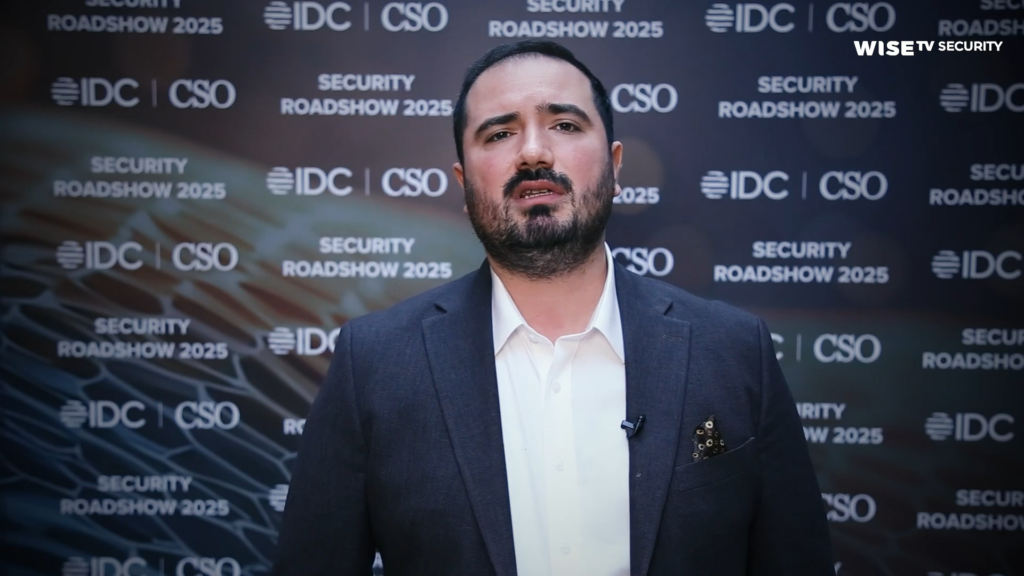
Speaking to Wise TV, Emre Erkıran, Information Security Manager at QNB Invest, discussed the strategic importance and security aspects of supplier management within organizations.
Regarding supplier lists, effective management of suppliers—aligned with various business objectives—adds value to organizations. Before engaging a supplier, an internal strategy must be established. Key considerations include: Which department is working with the supplier? What data is being shared with the software vendor? By what method is this data transmitted? Have clauses regarding audit rights been included in the contracts? Addressing these factors makes it possible to monitor suppliers more effectively. Supplier management should not be viewed as a one-off engagement but rather as a process requiring continuous observation; it must be constantly monitored and treated as an evolving, dynamic process. Vulnerability assessments and penetration testing services should be requested from suppliers at regular intervals. Meetings regarding these matters should be coordinated, and the results evaluated collaboratively. Management should be kept informed about the status of suppliers through periodic reports; this is how I believe the supplier management process should be properly handled.
The Importance of Supplier Management
Supplier management plays a critical role in the success of businesses. Well-managed supplier relationships offer opportunities to reduce costs, improve quality, and develop innovative solutions. However, a strategic approach must be adopted to manage this process effectively.
Strategic Planning and Supplier Selection
Before commencing work with a supplier, a strategy aligned with the business’s needs must be established. This strategy should outline which departments will work with which suppliers, what data will be shared, and how that data will be transmitted. Additionally, criteria such as quality, cost, and reliability must be considered during supplier selection.
Contract Management and Audit Rights
Including key clauses—such as audit rights—in contracts with suppliers is essential for enabling the business to monitor the supplier. These clauses provide a foundation for evaluating supplier performance and intervening when necessary.
Continuous Monitoring and Evaluation
Supplier management is not a one-time transaction but an ongoing process that requires continuous monitoring. Supplier performance must be regularly monitored and evaluated. This helps the business optimize supplier relationships and identify potential issues at an early stage.
Vulnerability Testing and Security Assessments
Businesses should regularly require suppliers to undergo vulnerability tests and penetration testing services. These tests are critical for identifying security vulnerabilities and ensuring the security of the business’s data. Test results should be evaluated in collaboration with the supplier, and appropriate measures should be taken. Management Reporting and Communication
Regular reports regarding supplier processes must be submitted to management. These reports provide information on supplier performance and the effectiveness of the processes. Furthermore, maintaining regular communication with the supplier is essential for strengthening collaboration and resolving potential issues.
Conclusion
Supplier management is of strategic importance to business success. Supplier relationships can be optimized through the right strategy and continuous monitoring. Elements such as contract management, security assessments, and effective communication play a critical role in this process. Businesses can leverage supplier management as a competitive advantage and thereby achieve sustainable success.
About the Wise

Similar Videos from this Wise
What are the defense strategies against AI-powered cyber threats?
In an exclusive interview with Wise TV, QNB Invest Information Security Manager Emre Erkıran discussed the impact of [&hellip...

What are the KPIs required to measure organizations’ cybersecurity postures?
In an interview with Wise TV, Emre Erkıran, Information Security Manager at QNB Invest, explained the critical role […...