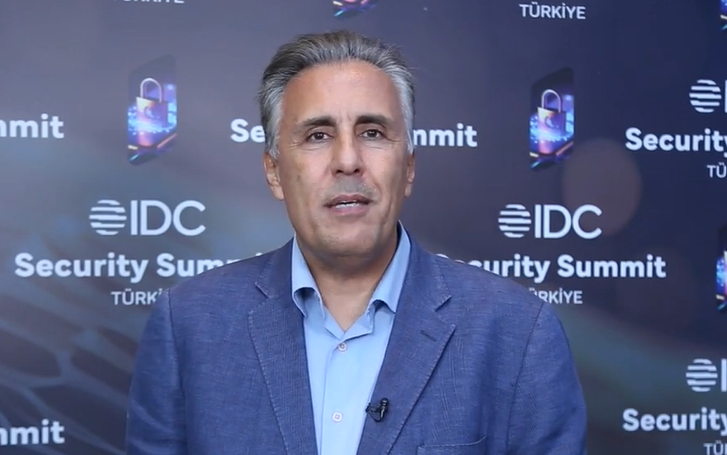
Murat Lostar, General Manager of Lostar, discussed security vulnerabilities in IoT (Internet of Things) systems with Wise TV. This exclusive interview covers the cybersecurity risks emerging alongside the proliferation of IoT devices, the impact of rapid production driven by commercial concerns, challenges related to embedded software updates, and more.
“I see significant risks in IoT systems, and I believe the primary reason for this is commercial pressure. Rather than building something entirely new by transforming legacy systems, IoT typically involves hardware paired with specific software—or embedded software—designed to function together. Embedded software often presents challenges when it comes to updates or the addition of new features later on. Driven by commercial motives, billions of IoT devices have entered our lives in a very short span of time; in some regions, this has led to products being deployed without adequate investment in R&D, thorough security analysis, or proper system hardening. We know that many IoT solutions—ranging from home camera systems and various security products to the ‘smart city’ infrastructure we encounter in many places—contain serious security vulnerabilities today. These vulnerabilities are exploited in two ways: first, through direct attacks against the systems themselves; and second, by leveraging these IoT devices to assemble massive ‘armies’—botnets—that are then used to launch attacks on other IoT or IT systems.”
The Rise and Risks of IoT Systems
Today, IoT (Internet of Things) systems are integrated into many aspects of our lives. Used across a wide spectrum—from smart devices in our homes to urban infrastructure—these systems are as notable for their security risks as they are for the convenience they provide. The rapid proliferation of IoT systems, driven by commercial concerns and inadequate security measures, constitutes the primary weakness of this technology.
Commercial Concerns and Security Vulnerabilities
Commercial concerns are among the main drivers behind the rapid spread of IoT systems. In an effort to gain a quick foothold in the market, manufacturers often launch products without giving sufficient consideration to security measures. Consequently, these devices are frequently riddled with security vulnerabilities, leaving them defenseless against cyberattacks.
Updating Embedded Software
Most IoT devices operate using embedded software. While this software enables the functionality of the devices, it is often difficult to update and manage. A lack of regular updates leaves these devices increasingly exposed to security vulnerabilities over time.
Insufficient R&D Investment
In many countries, there is a lack of adequate investment in research and development (R&D) focused on the security of IoT systems. This results in incomplete security analysis, leaving devices vulnerable to attacks. Such security flaws pose a threat to both individual users and large-scale systems.
Exploitation of Security Vulnerabilities
Security vulnerabilities in IoT systems are exploited in two primary ways. First, attacks are launched directly against these systems. Secondly, large botnets are being created using IoT devices, and these botnets are then used to launch attacks against various systems.
Smart City Systems and Security
Smart city systems represent one of the most common applications of IoT technology. However, these systems face significant threats due to security vulnerabilities. The security of urban infrastructure depends on the security of these systems, which in turn necessitates greater attention and investment.
The Future of IoT Security
The security of IoT systems will become increasingly important in the future. It is critical that manufacturers enhance security measures and that users become more informed to ensure this technology can be used safely. Addressing security vulnerabilities and making systems more resilient are essential for the sustainability of IoT.
Summary
While IoT systems make our lives easier by offering various advantages, they also carry serious risks due to security vulnerabilities. Commercial concerns, insufficient R&D investment, and embedded software that is difficult to update are the primary weaknesses of these systems. Closing security gaps and strengthening system resilience are vital for the sustainability of IoT. Greater awareness among both manufacturers and users will contribute to the development of more secure IoT systems in the future.
About the Wise

Similar Videos from this Wise

How can companies protect themselves from the risks of artificial intelligence?
Lostar General Manager Murat Lostar answered the question “How should companies protect themselves from the risks of ar...

What advantages will AI provide to security personnel in 2025?
Murat Lostar, General Manager of Lostar, evaluated the year 2025. Lostar stated: “The important aspect of 2025 is [&hel...

With Agentic AI, our security may be at risk!
Murat Lostar, General Manager of Lostar, spoke about Agentic AI. Lostar stated: “In 2025, yes, as has been […]
What is Agentic AI?
Lostar General Manager Murat Lostar spoke about Agentic AI in an interview with Wise TV. Lostar stated: Agentic […]

Is the security of critical infrastructure adequate?
Lostar General Manager Murat Lostar evaluates the cyber security level of production facilities and critical infrastructures...

Predictions for 2025: The Year Artificial Intelligence Takes Center Stage
In an interview with Wise TV, Murat Lostar, General Manager of Lostar, highlights three critical issues that will […]

What risks await factories in OT systems?
Murat Lostar, General Manager of Lostar, explains the general state of risk perception in Turkey and the reasons […]

How does Türkiye compare to the rest of the world regarding the security of critical infrastructure?
Lostar General Manager Murat Lostar compares Turkey’s situation in the field of critical infrastructure security with t...

Are red team tests frequently conducted at production facilities?
In an exclusive interview with Wise TV, Murat Lostar, General Manager of Lostar, explains why Red Team exercises […]

What is the role of AI technology in endpoint security? What developments will take place in 2025?
Murat Lostar, General Manager of Lostar, explained how endpoint security has evolved from its origins as antivirus software [...

What is GRC?
In this video, Murat Lostar, General Manager of Lostar, explains in detail how organizations integrate their governance, risk...

What are the threats that individuals and businesses face from ransomware in the age of AI?
In this compelling interview with Wise TV, Murat Lostar, General Manager of Lostar, discusses the structures behind ransomwar...