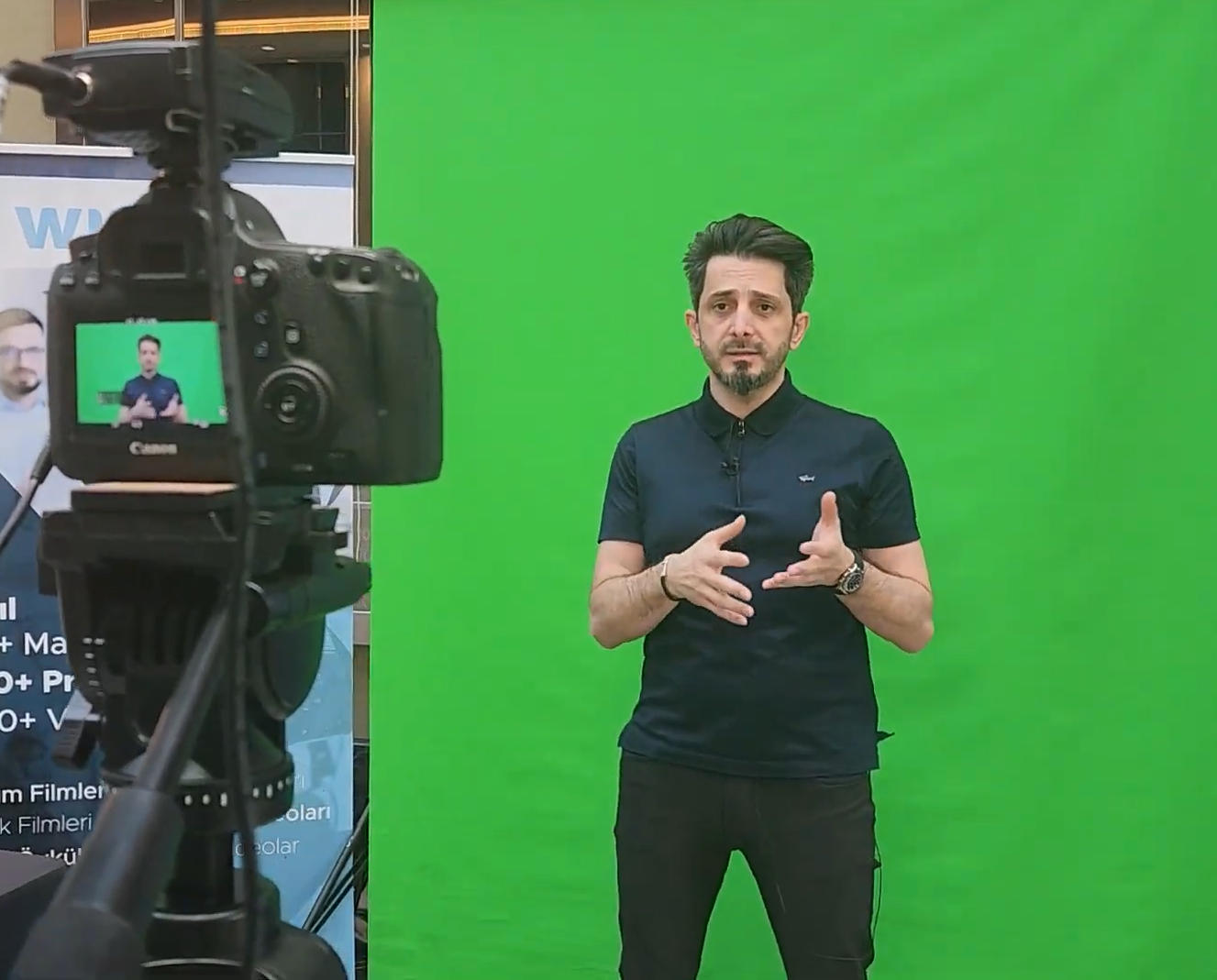
Nursel Ölmez Ateş, Head of Human Resources and Corporate Communications Group at Borusan Holding, spoke about how HR manages the RPA process within the company. Ateş stated:
“We have over 13,000 employees domestically and internationally within the Borusan group, and each of them has many questions. Questions about working life, payroll, annual leave, insurance processes – you name it. About five years ago, we developed a chatbot based on a rule-based model. In addition, we transformed many of our processes, especially those related to legal regulations, using RPA. Of course, initially we worked with IT departments and technology service providers. But after a certain point, the nature of the work and its output performance became measurable by the HR department. We then shifted to a model where we improved the skills of our HR colleagues, minimizing our dependence on technology companies and allowing HR to handle certain tasks through skill transfer.” So, to answer the question of whether RPA is now managing human resources according to your definition, I can say yes in a certain context. Of course, we would like to expand this to other areas as well.
Borusan Group and Digital Transformation
Borusan Group has a large workforce of over 13,000 employees both domestically and internationally. This large organizational structure leads employees to have many questions regarding work life, payroll, annual leave, and insurance processes. To meet these needs, Borusan developed a chatbot with a rule-based model five years ago. This technology is designed to provide quick and effective answers to employee questions. Simultaneously, processes related to legal regulations have also been transformed using Robotic Process Automation (RPA).
The Role of Chatbot and RPA
The chatbot lightens the workload of the human resources department by providing quick answers to frequently asked employee questions. RPA, on the other hand, increases efficiency by automating repetitive and time-consuming processes. These technologies have become a crucial part of Borusan’s digital transformation strategy.
First Steps: IT and Technology Collaboration
Initially, close collaboration was established between IT units and technology service providers. This collaboration ensured the successful implementation of the chatbot and RPA systems. However, as the process progressed, the human resources department also took a more active role in managing these technologies.
Human Resources and Technology Integration
The human resources department has improved its own capabilities to reduce its dependence on technology companies. As a result, certain tasks have begun to be handled by human resources employees. This transformation is seen as a significant step in Borusan’s digitalization process.
Management of RPA by Human Resources
The human resources department has gained competence in managing RPA systems. This is a significant milestone in Borusan’s digital transformation process. Human resources contributes to making processes more efficient by ensuring the effective use of RPA.
Future Plans and Deployment
Borusan plans to expand RPA and chatbot technologies to other areas as well. This strategy aims to further advance the company’s digital transformation process. The opportunities offered by technology will help Borusan make its business processes more efficient and effective.
Summary
Borusan Group effectively implements digital transformation strategies to meet the needs of its large workforce. Chatbot and RPA technologies provide quick answers to employee questions while increasing efficiency through process automation. The human resources department has taken an active role in managing these technologies, reducing dependence on technology companies. In the future, it is planned to expand the use of these technologies to other areas as well.
About the Wise

Similar Videos from this Wise

Where is artificial intelligence being used in human resources?
Nursel Ölmez Ateş, Head of Human Resources and Corporate Communications Group at Borusan Holding, spoke about where artificia...